Berg/Young

History

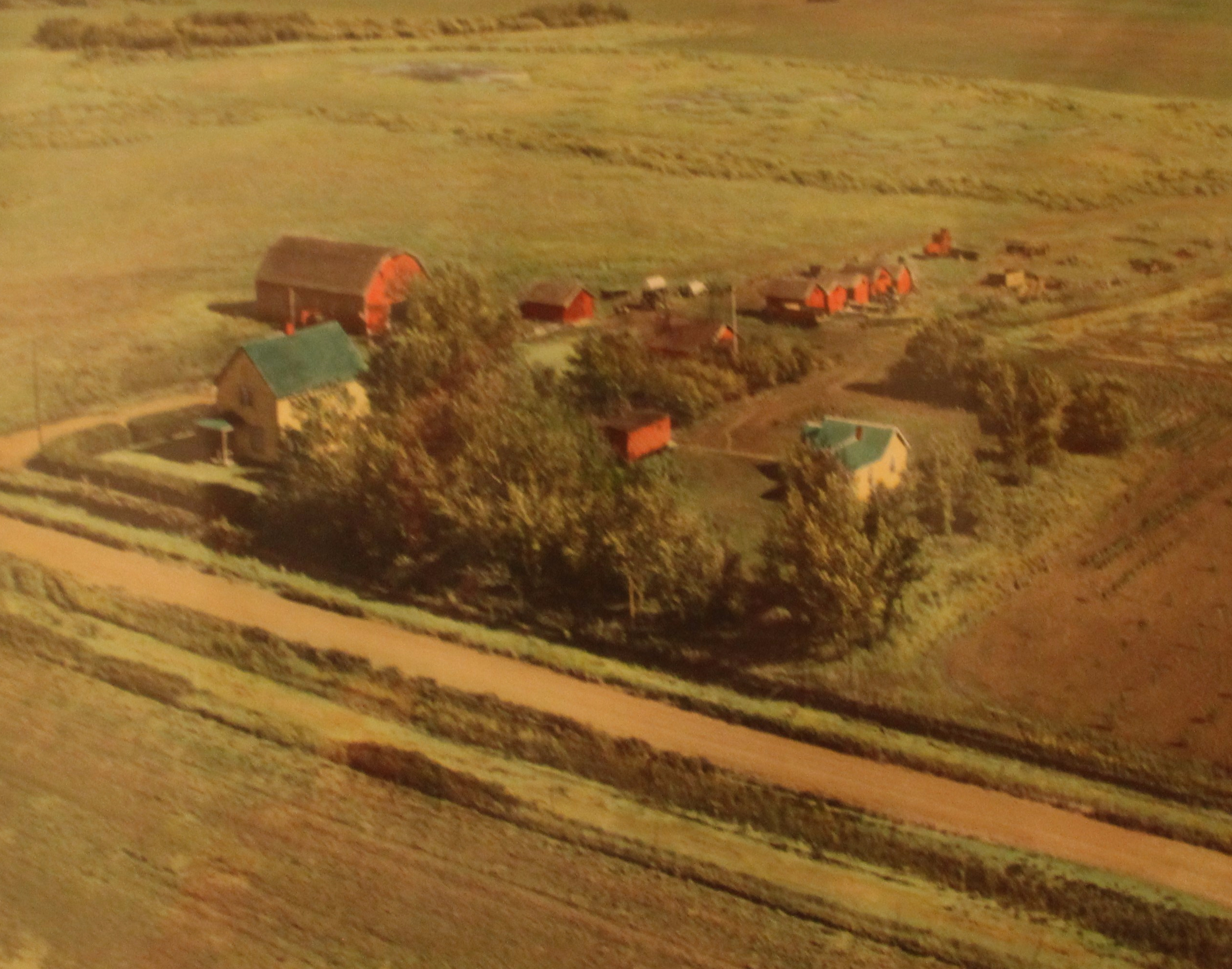
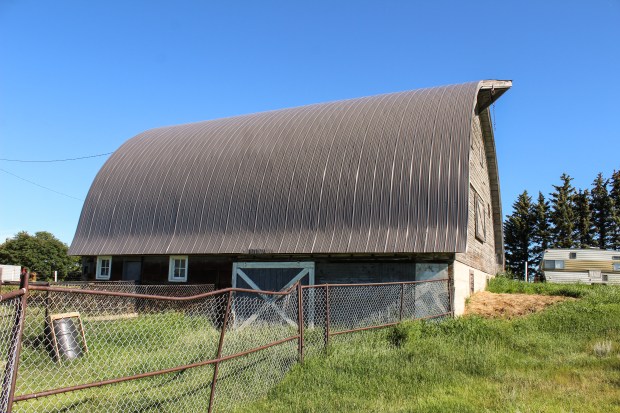
The W. Young family homesteaded the quarter the barn sits on in 1905. It was next owned by Jack Young until 1952. Jack Young sold the property to his nephew Bruce Young and Bruce’s wife Adelpha. Bruce and Adelpha moved there from the Chamber’s Place west of Killam, AB. Bruce and Adelpha lived on the Young homestead until 1978 when Adelpha moved into Killam. The Hammer family owned the property from a long time after the Youngs; however, it is unclear when the Hammers purchased the property. There were a few owners following the Hammers but, in 2007, the Bergs purchased what is now an acreage with the Young’s barn still standing on it.

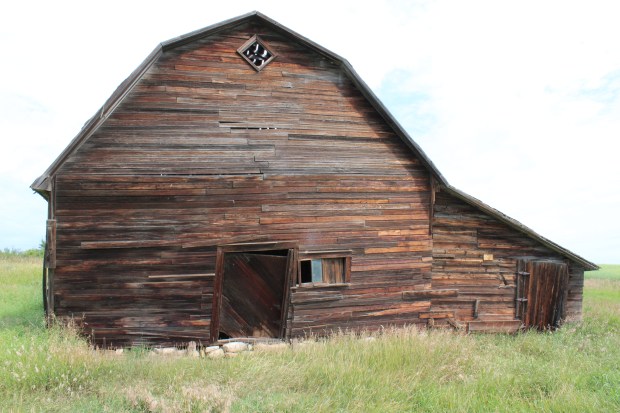
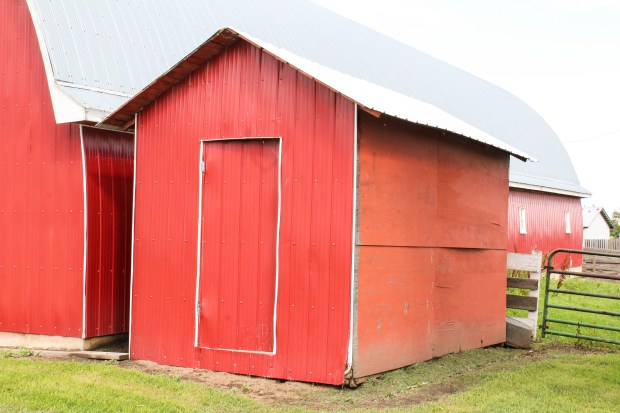
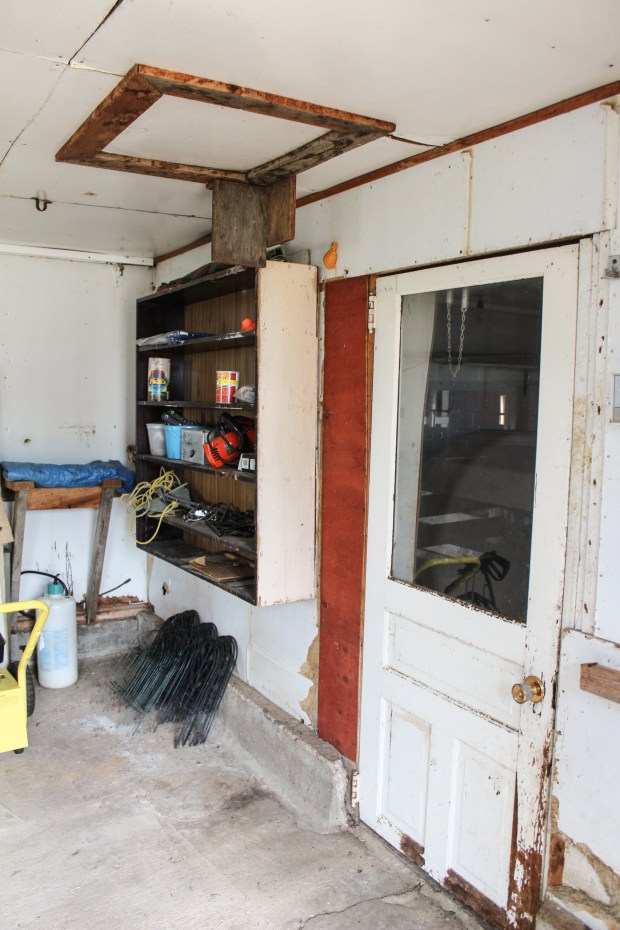
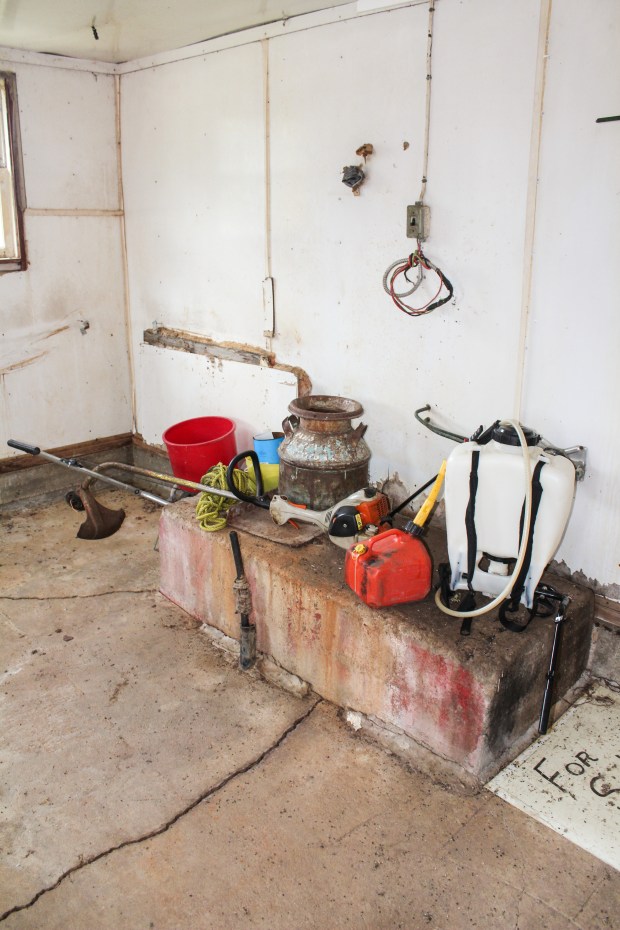
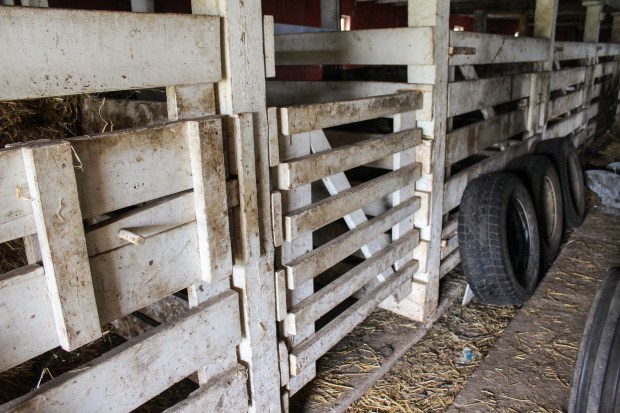
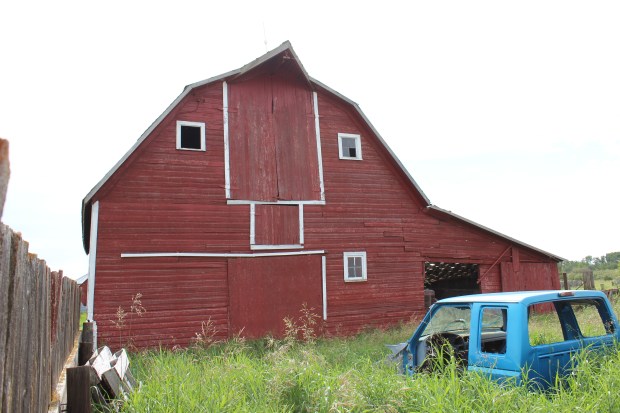
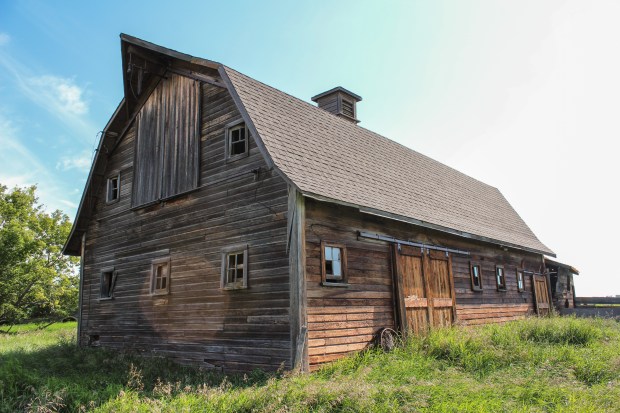
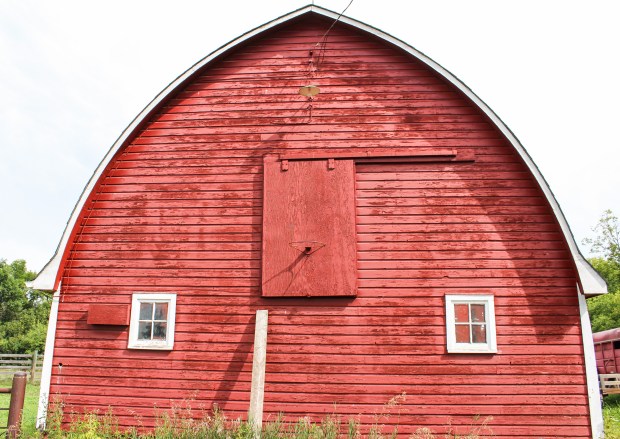
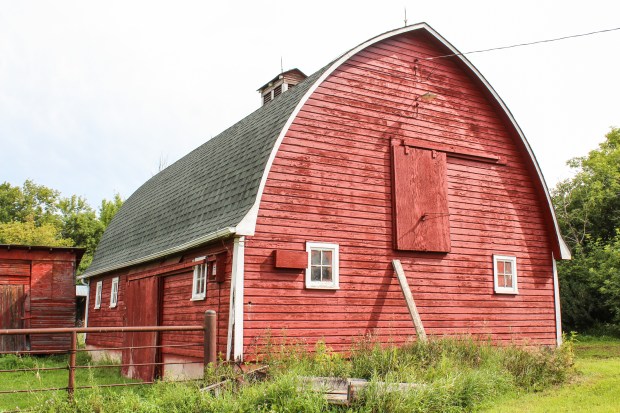
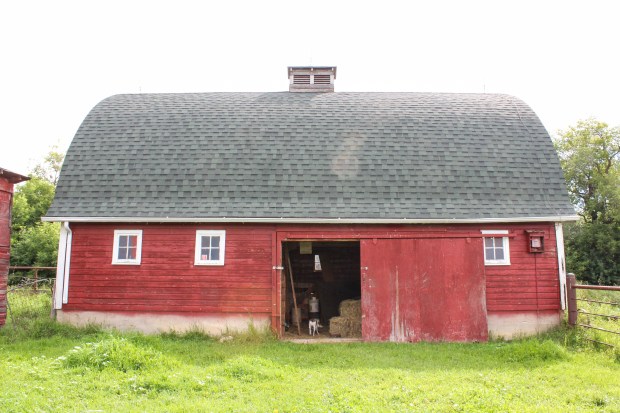
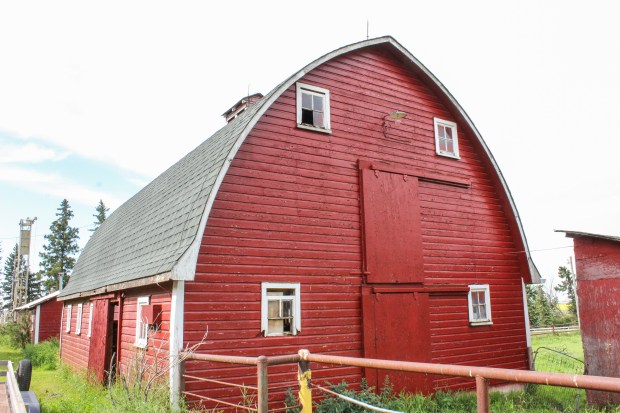
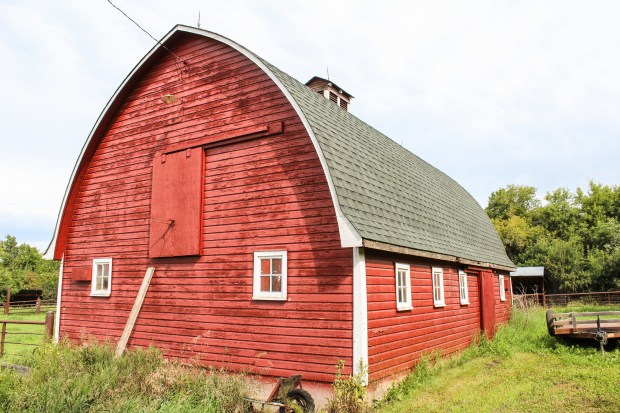
The barn was built by the Youngs, most likely Jack Young, in the early 1900s. Mrs. Hammer used the barn for her rodeo horses while she owned the barn. The Bergs had horses, which would sometimes frequent the barn, up until 2015. The barn is now empty except for storage and occasionally some livestock.

Berg, John . Personal communication. 26 Jul. 2016

IMG_6235

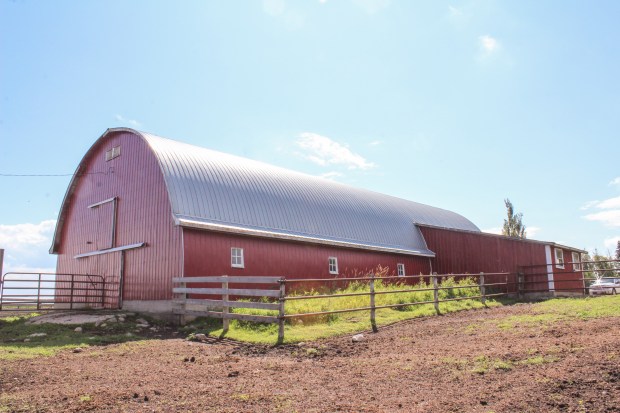
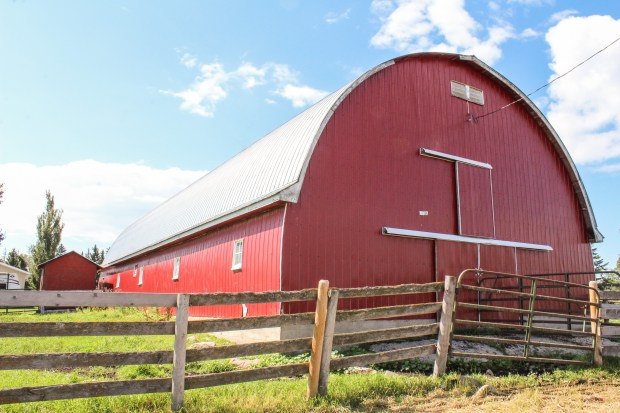
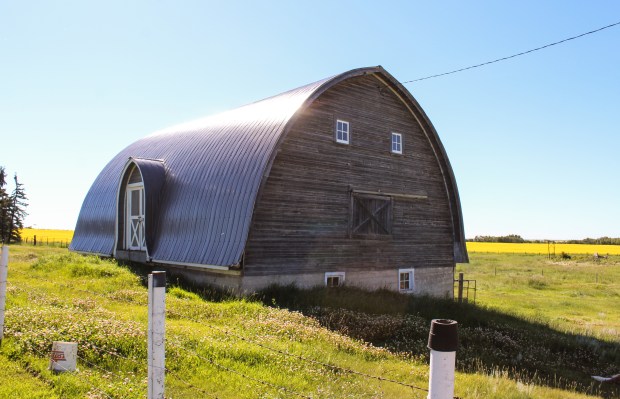
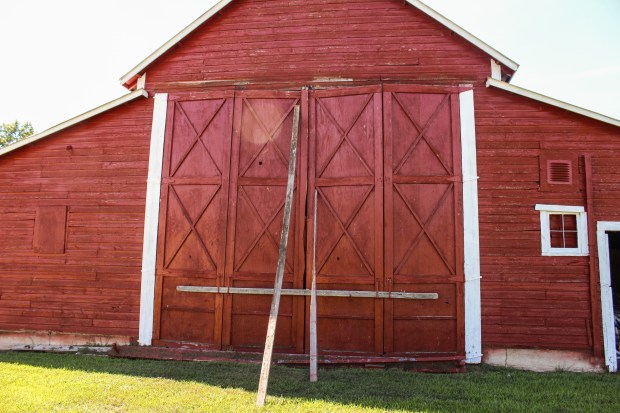
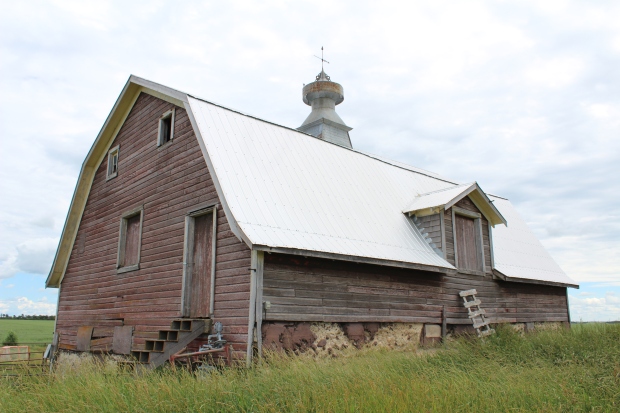
This frame shows the northern face of the barn.
 

IMG_6209

This frame shows the northern face of the barn and a portion of the western half of the barn’s roof.

IMG_6210

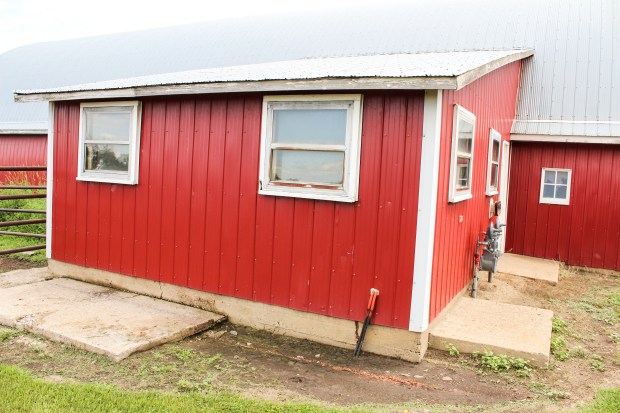
The integrity of the field stone and cement foundation has been compromised as a result of time and the elements. In the future, it is likely that the breakdown of the foundation will be the ruin of the barn.

IMG_6217

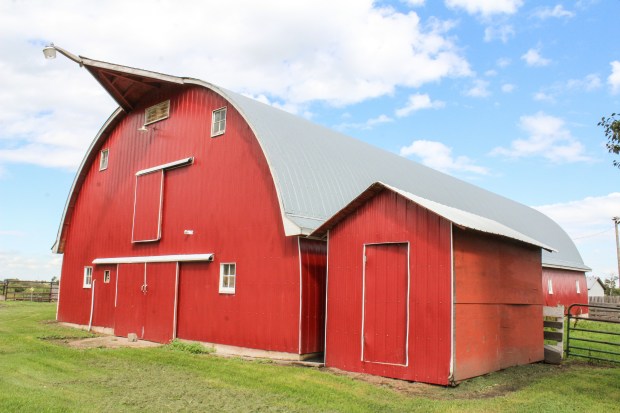
On the western side of the barn there is another entrance to the loft.

IMG_6219

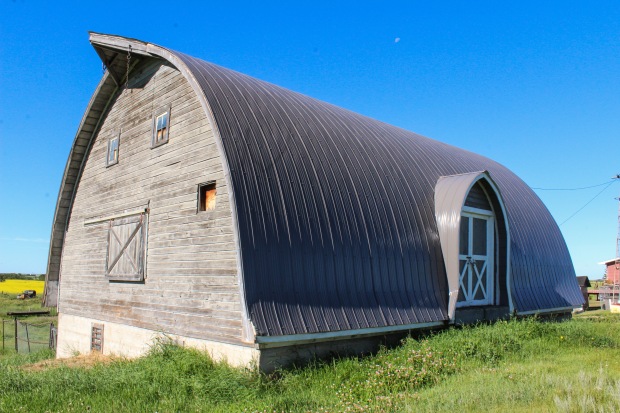
This frame is of the southern face of the barn and the western half of the barn’s roof.
IMG_6223

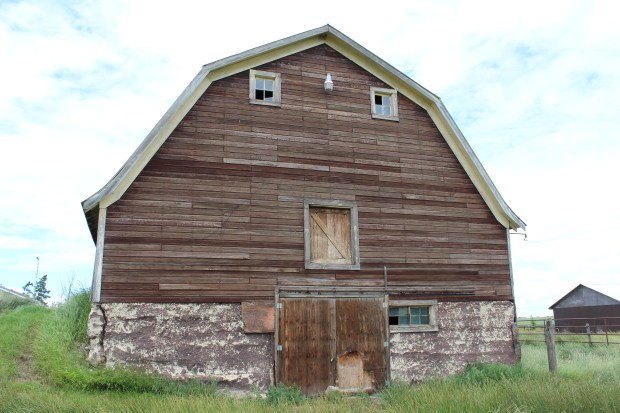
This frame is of the southern face of the barn.


IMG_6231

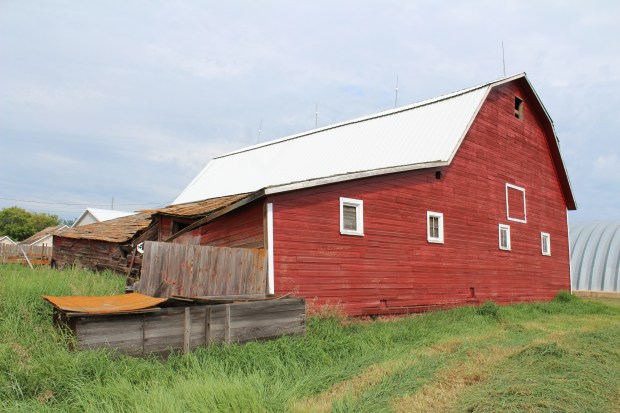
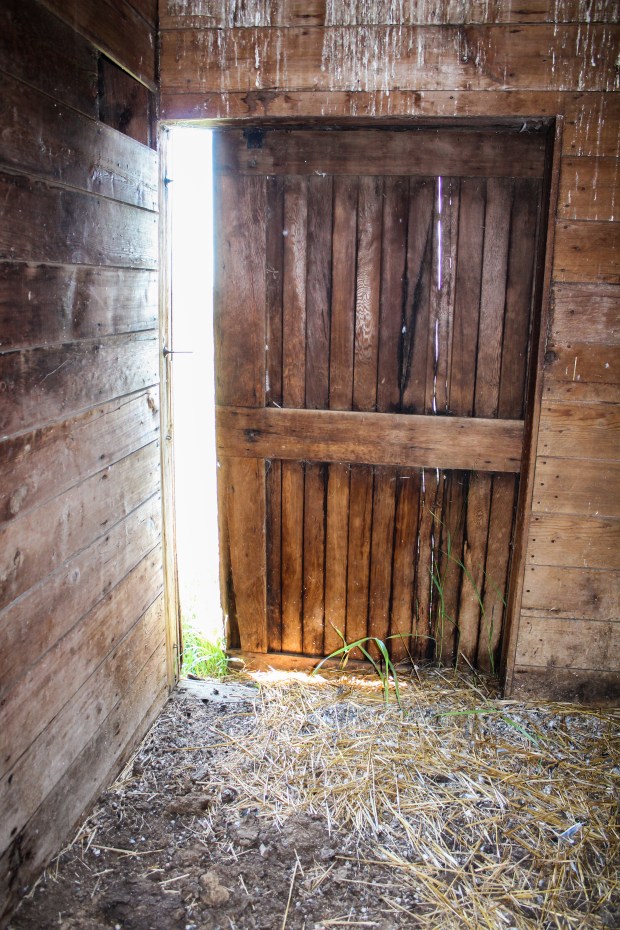
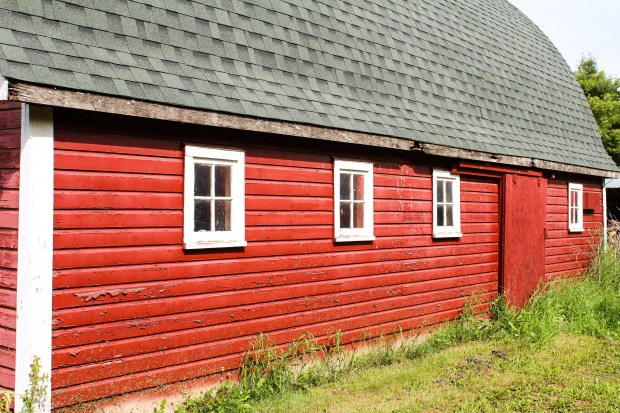
This frame shows the northern face of the barn and the eastern half of the barn’s roof. The access door on the east side of the barn provides access to the inside of the barn on ground floor.

IMG_6229

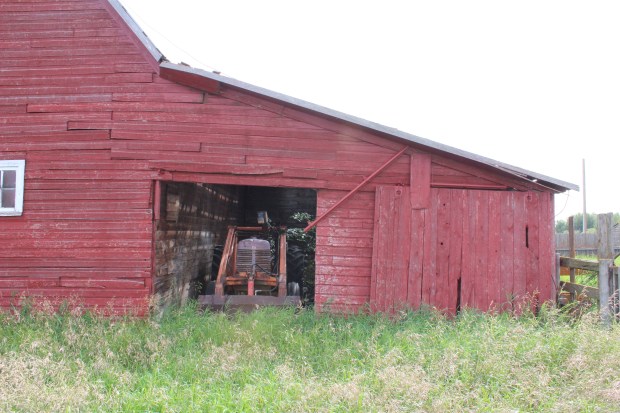
This frame shows a close up of the access door on the eastern face of the barn.

IMG_6254

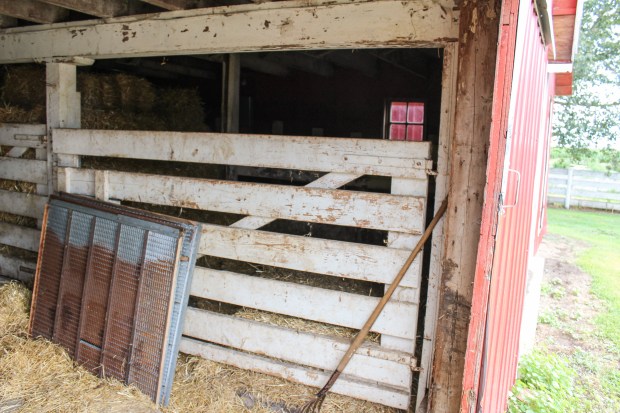
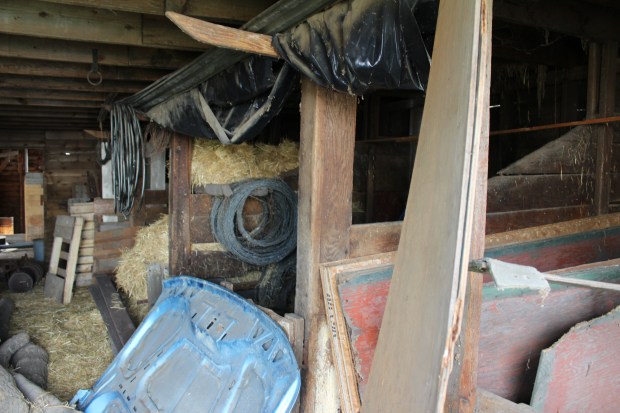
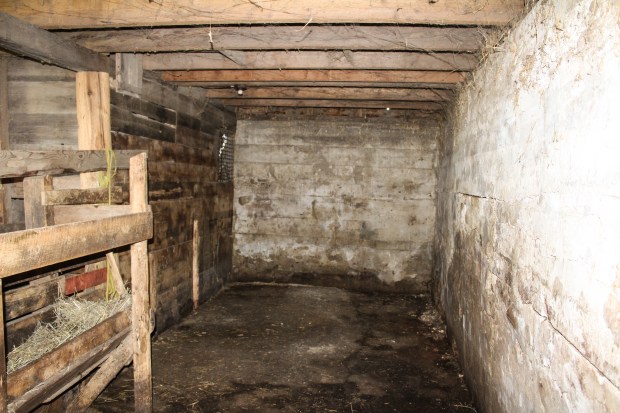
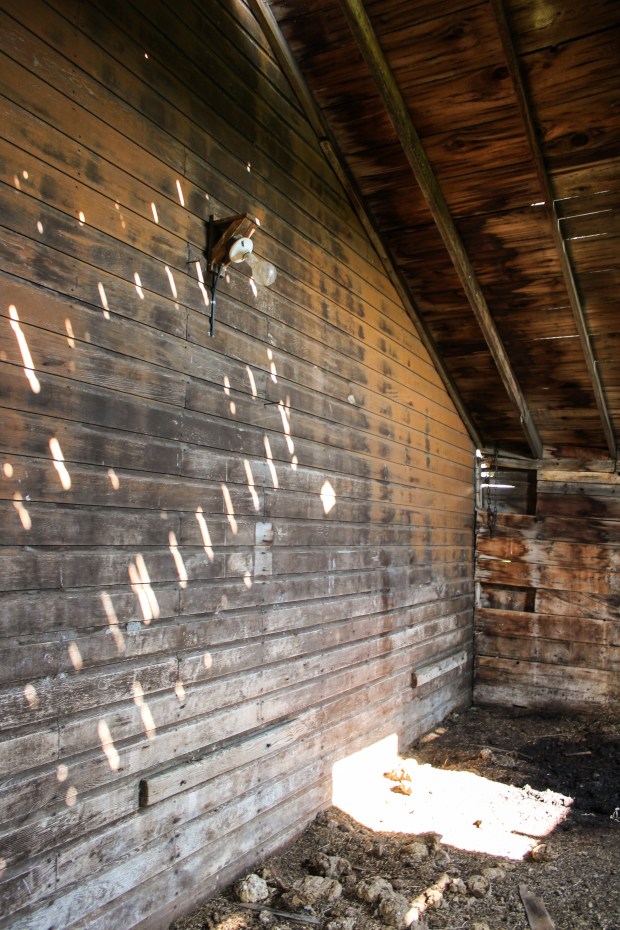
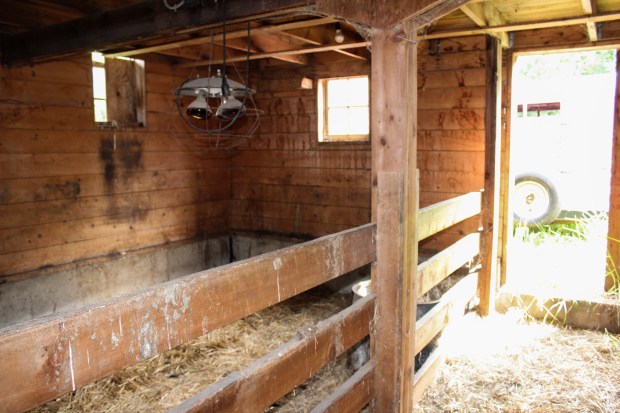
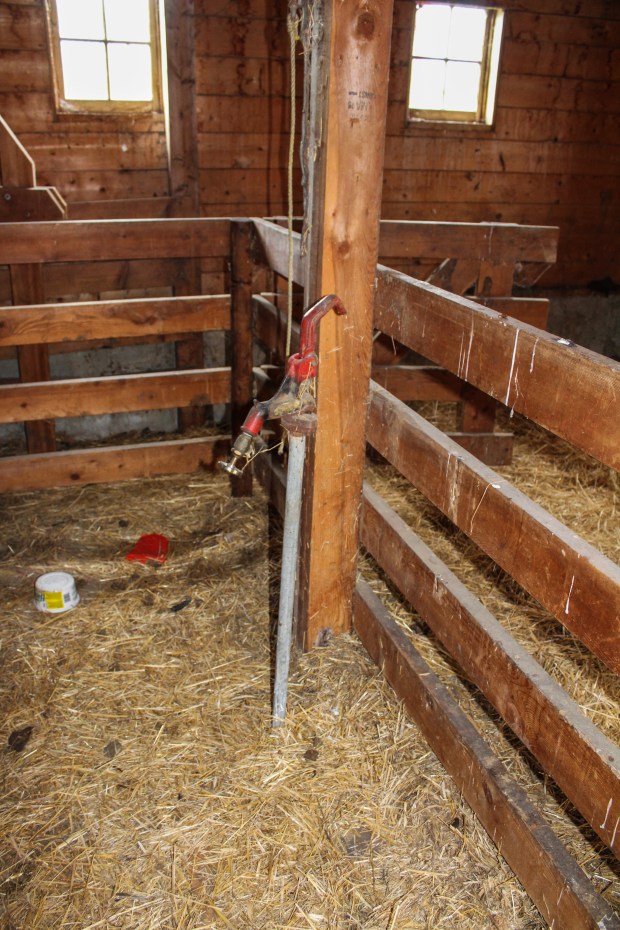
This frame shows the eastern wall of the barn. There used to be stalls in the area pictured that ran from the eastern wall to the posts on the right corner of this frame.

IMG_6253

IMG_6276

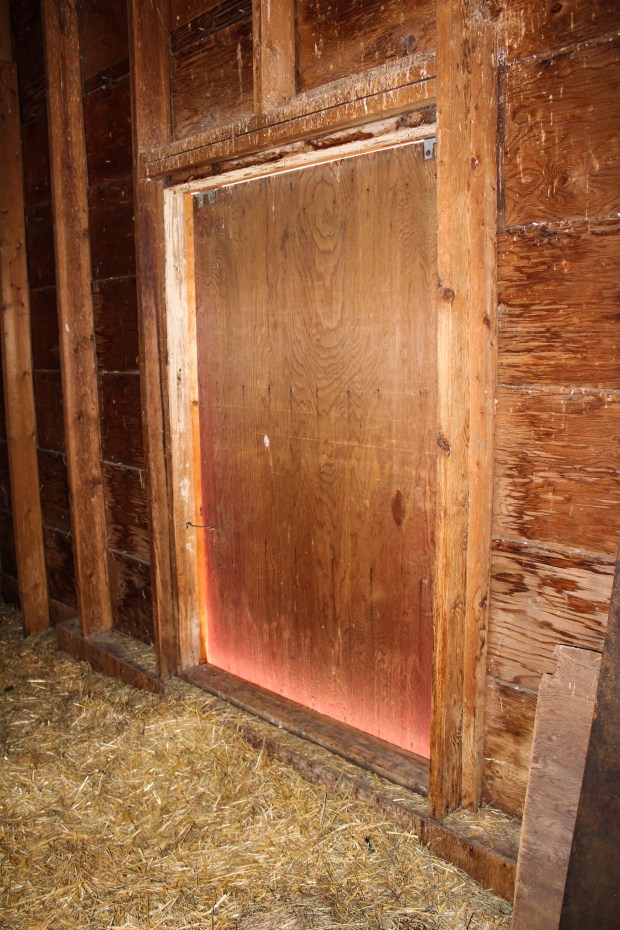
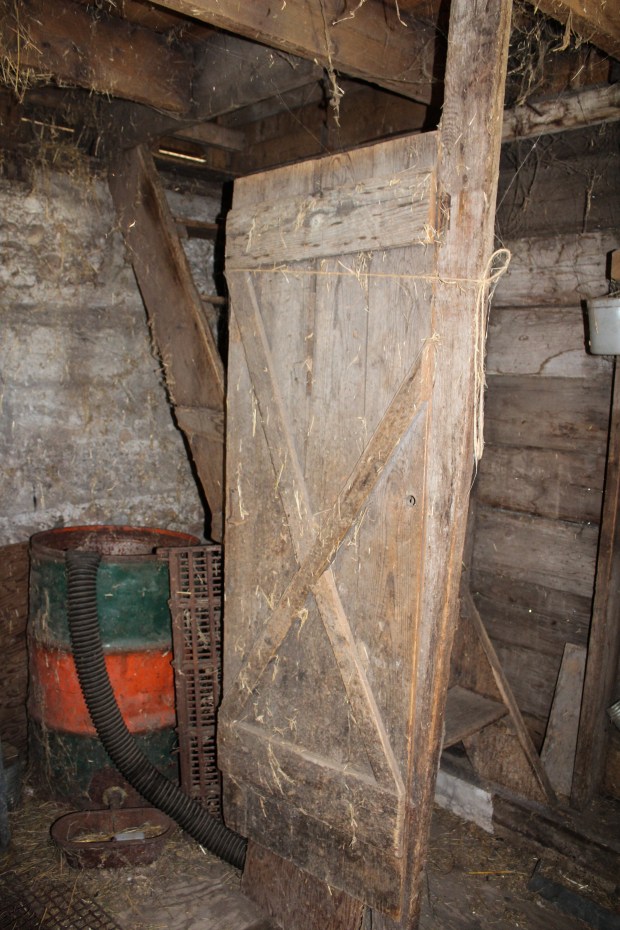
On the eastern wall is an enclosed chute for chop. The chop box is directly above this chute in the loft. The hole for scooping out chop has been covered up.
IMG_6238

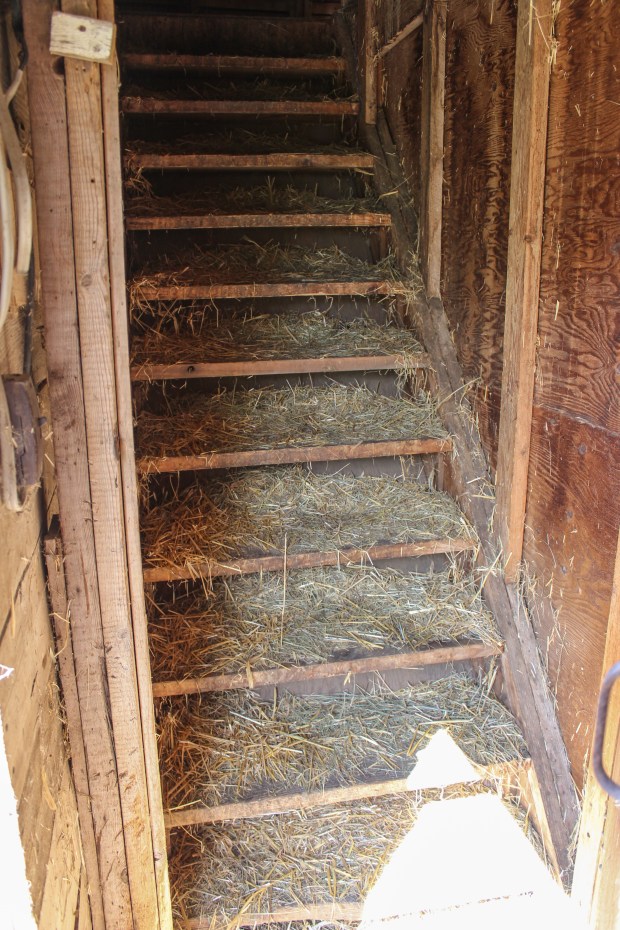
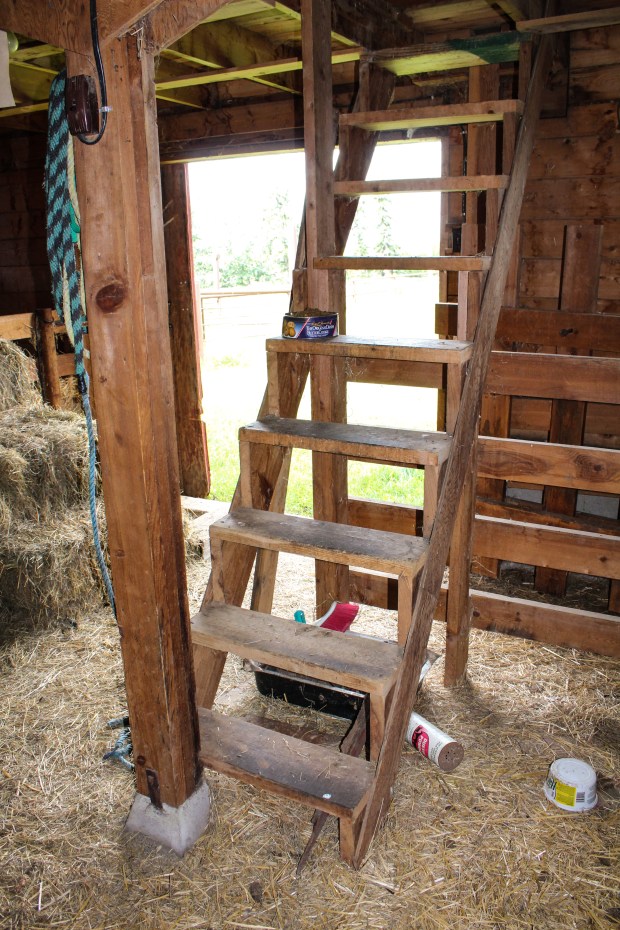
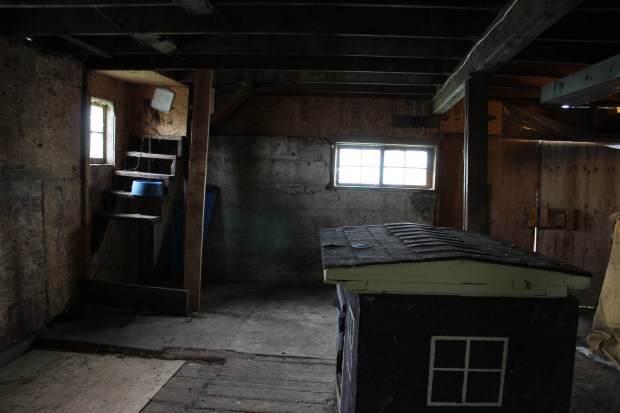
The staircase to the loft is in the south-eastern corner of the barn. This staircase has been boarded off because it is unsafe.

IMG_6239

IMG_6241

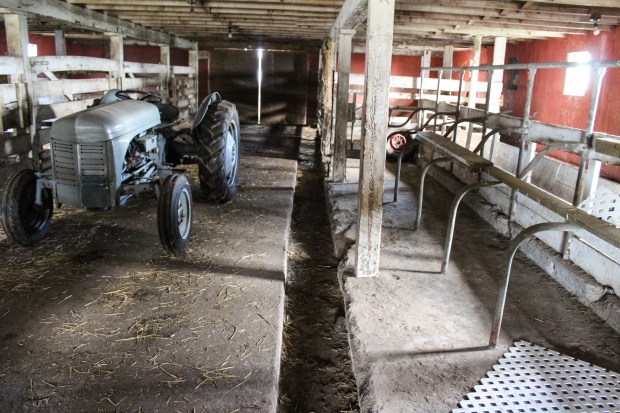
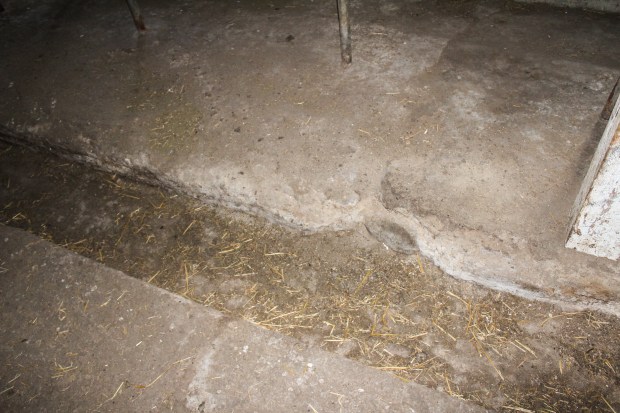
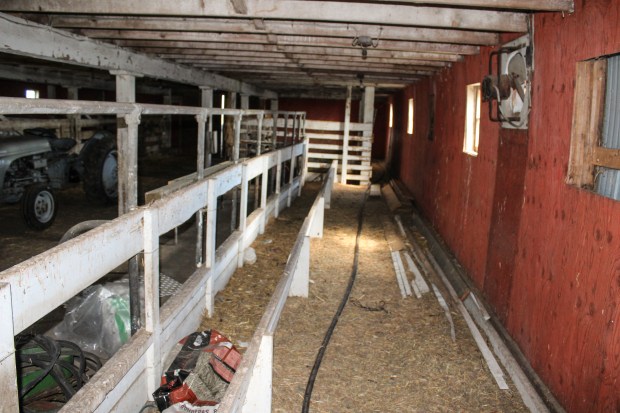
Although the wooden stalls have been removed, the concrete is still in very good condition under the area where the eastern set of stalls would have sat.

IMG_6244

This frame shows two of the stalls on the western half of the barn

IMG_6250

IMG_6257

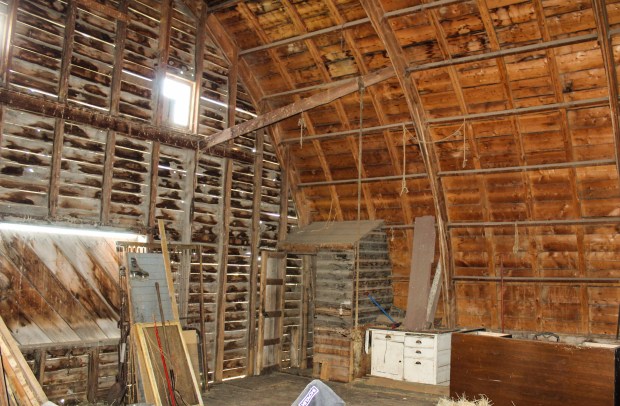
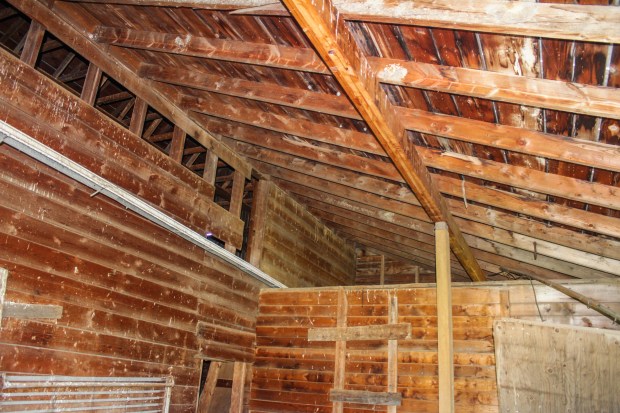
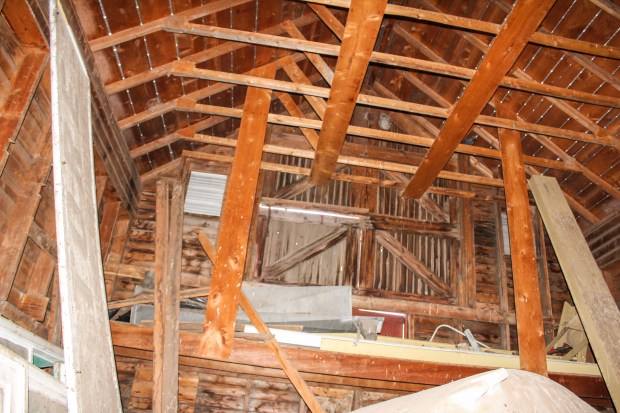
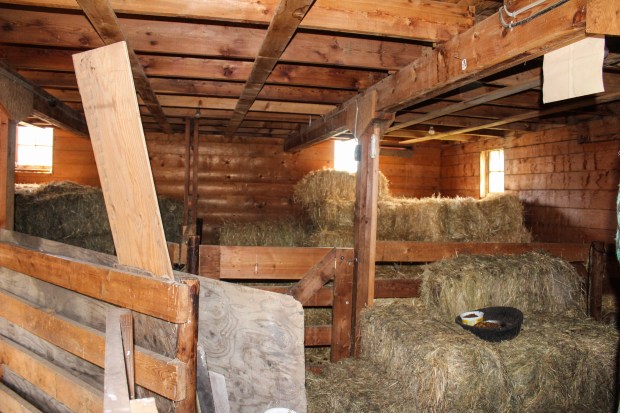
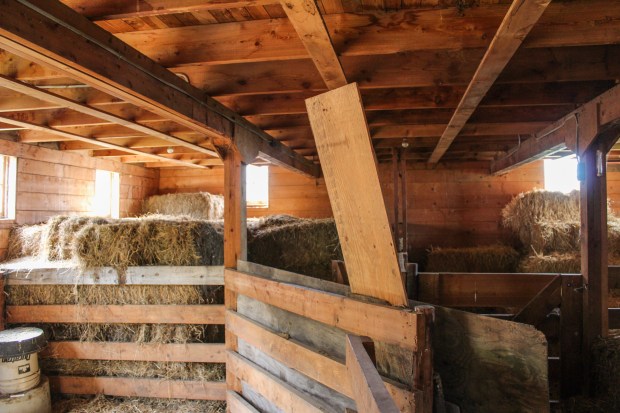
This frame was taken while in the barn’s loft and is of the southern face of the barn.

IMG_6258

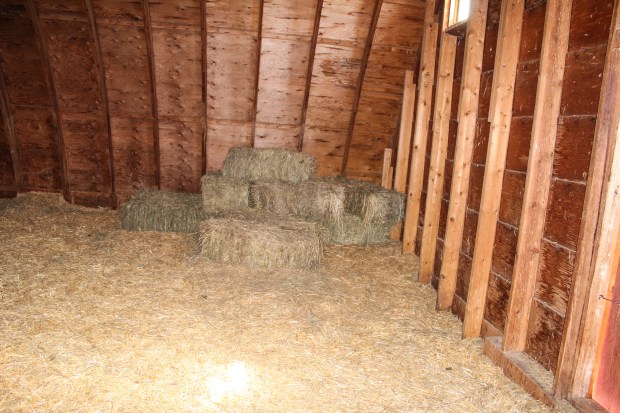
This frame is of the western half of the barn’s roof. The bale door on the western roof is also visible.

IMG_6259

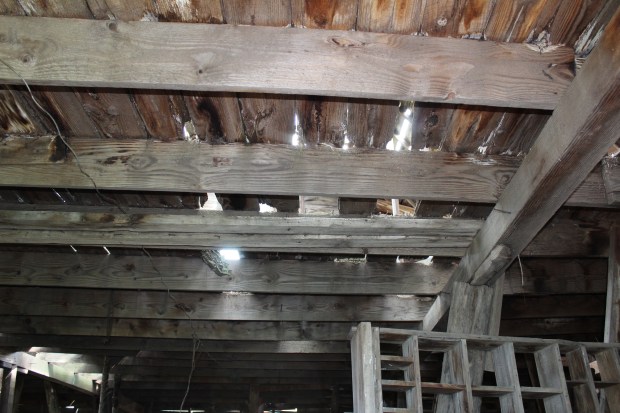
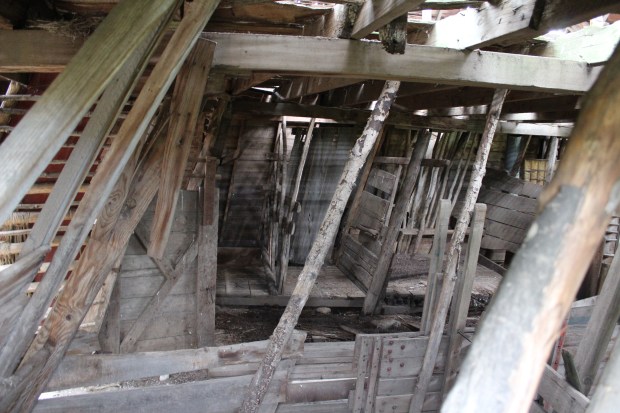
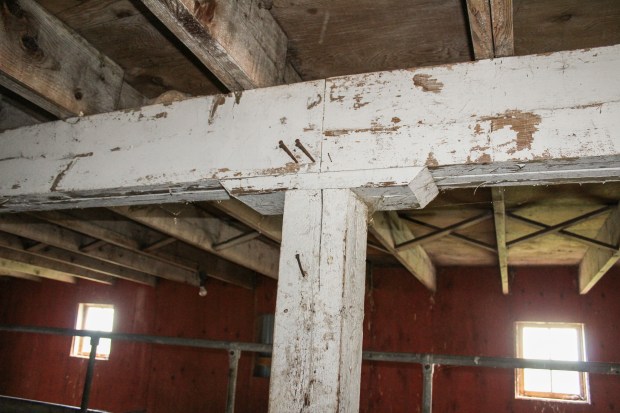
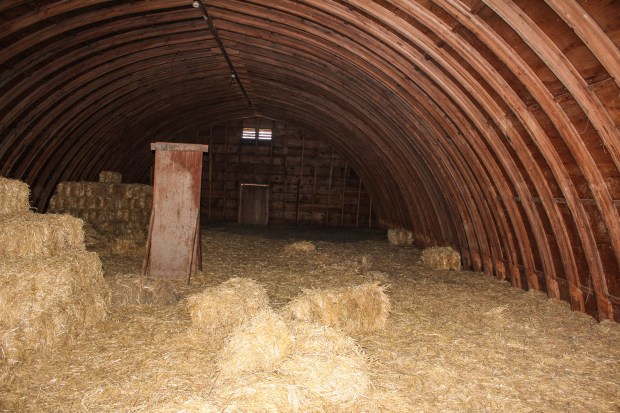
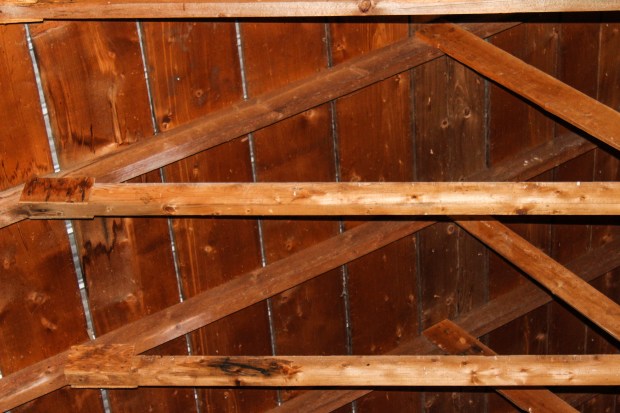
This barn uses wooden trusses to hold up the roof. The timbers covering the roof are spaced further apart so that less wood could be used while constructing the barn.

IMG_6268

This is the upper portion of the staircase in the south-eastern corner of the barn.

IMG_6266

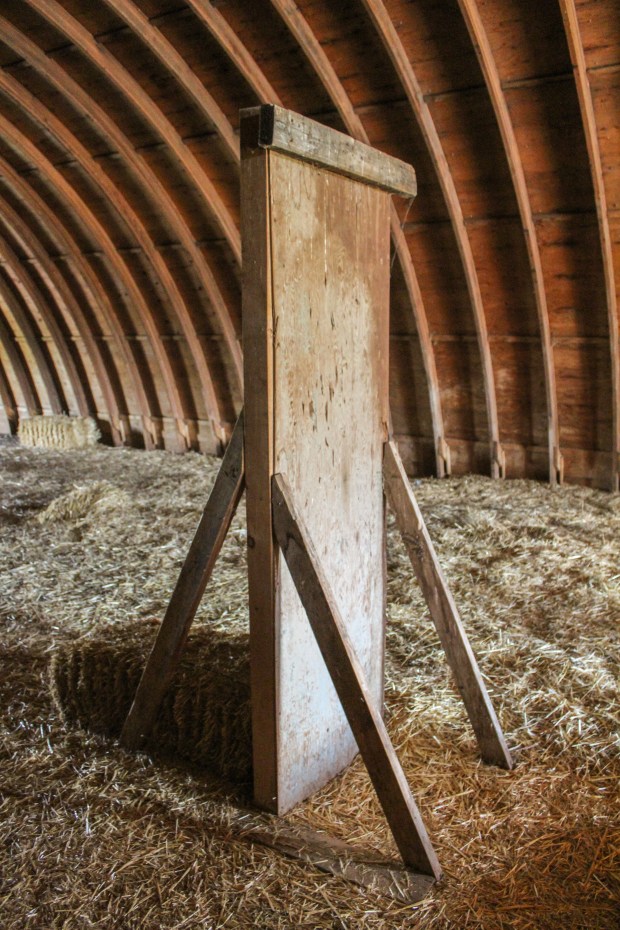
This structure is the chop box. It is located above the chop chute in the north-eastern corner of the loft.

IMG_6273

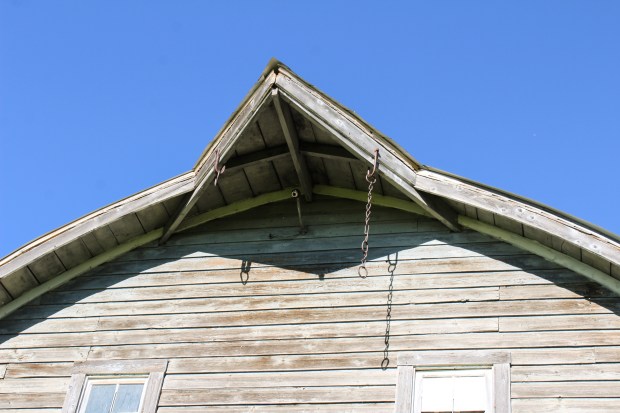
This frame is of the northern face of the barn. The metal chimney is for the heater that the Hammer family installed.

Location

52.645986, -111.826764                                         NW 28-42-13 W4

Characteristics

Barn Condition: Good

Construction Date: Unknown, early 1900s

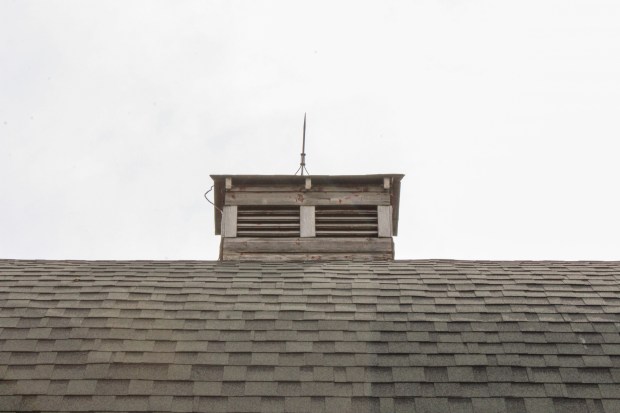
Features: Dormer, metal ventilator, weather vane.

Roof Shape: Gambrel

Paint: Brown

Decorations: No names or dates

Roof Covering: Metal

Siding: Wooden shiplap

Foundation: Concrete and stone

ADDITIONAL HISTORY ON THE PROPERTY

Jack Young was good friends with his neighbour Jake Lewis, whose barn is also featured in this database.

young-3-e1498836795921.jpg

Chevraux, Sharleen M.”Chapter 4″. The Ten Dollar Bets. 1st ed. Winnipeg: Inter-                             Collegiate Press, 1967. Print.


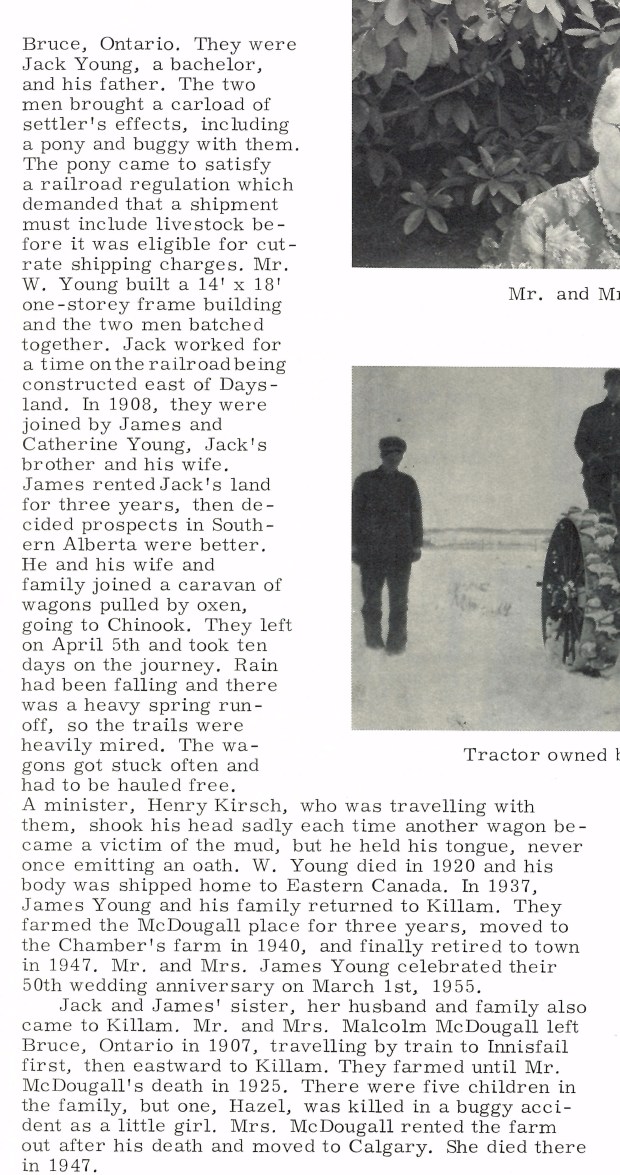
“The first members of the Young family in the Killam district arrived in 1906 from. . .”
young-2-e1498838610998.jpg

Chevraux, Sharleen M.”Chapter 4″. The Ten Dollar Bets. 1st ed. Winnipeg: Inter-                             Collegiate Press, 1967. Print.


Young 4Young 5

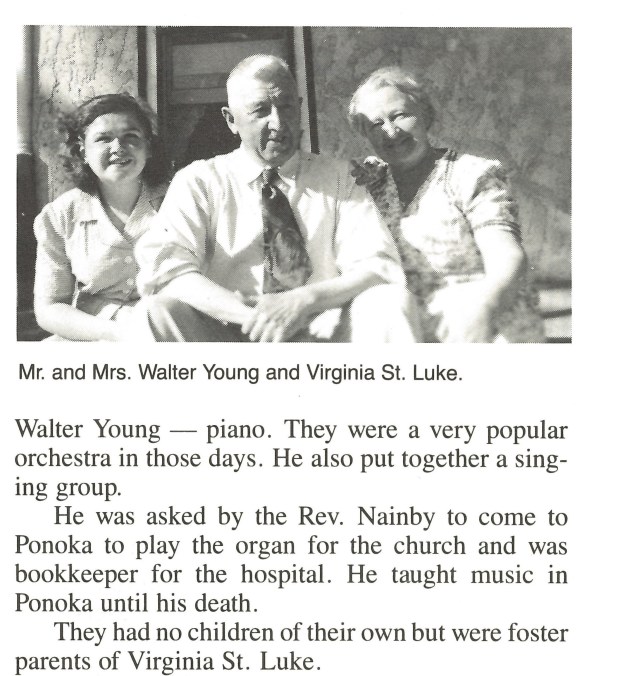
“Mr. and Mrs. Walter Young”. Sedgewick Sentinel: A History of Sedgewick and                            Surrounding Districts. 1st Ed. Sedgewick: Sedgewick Historical Society, 1982. Print.

Ness

History

Einar Losness homesteaded the land that this barn sits on. In 1962, the Ness family purchased the farm from the Losness family.

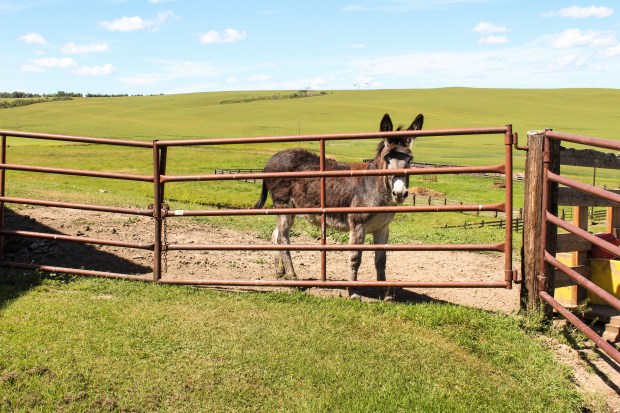
The barn on the property recently had new windows and an overhead door installed. Both are part of the Ness family’s effort to update the barn for modern-day use. In the past, the barn lodged cattle and stored farming equipment. Currently, the barn at houses pigs, sheep, cattle, and a donkey at various times of the year.

Ness, Carl. Personal communication. 25 Jul. 2016

IMG_6065

The Ness farm in 1962

IMG_6067

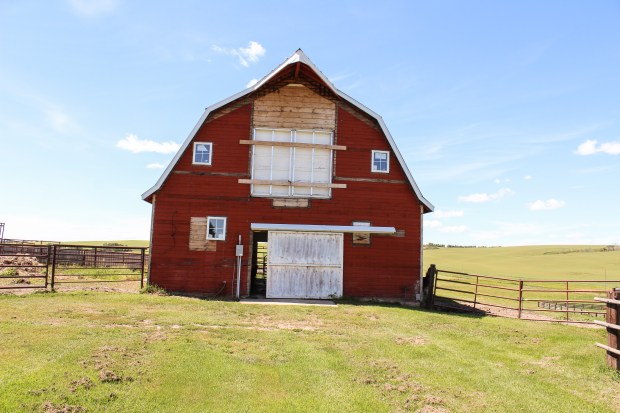
This frame shows the eastern face of the barn.

IMG_6073

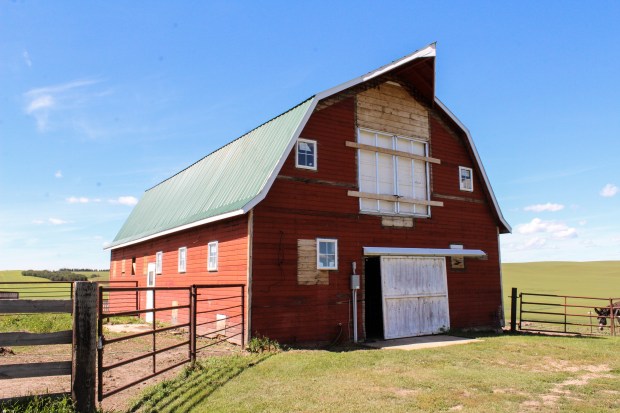
This frame is of the eastern face of the barn and the southern half of the barns roof.

IMG_6095

The Ness family currently uses the barn for different livestock which can roam around in the corrals or inside the barn.

IMG_6088

This frame shows the western face of the barn.

IMG_6080

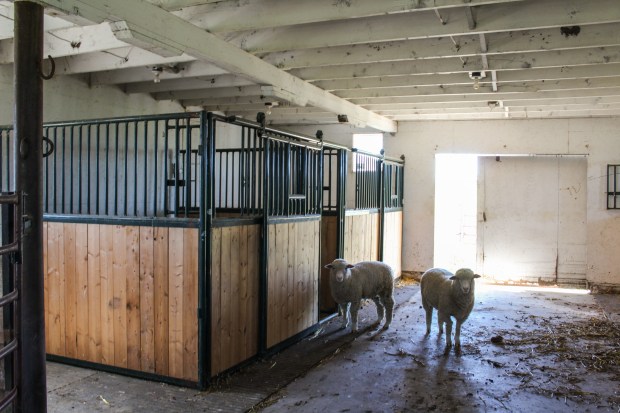
This frame is of the northern half of the barn. The original stalls were taken out and some newer ones were put in.

IMG_6082

This frame is of the southern half of the barn’s stalls. There is one original stall of the southern half.

IMG_6098

This stall was built using original materials. The western side of the stall (the wall on the right portion of the frame) used to separate the milking cows from the rest of the livestock housed in the barn.

IMG_6083

These sheep are just one of the many animals which use the barn.

IMG_6132

This frame shows the stairs that go up into the barn’s loft. The stairs are positioned in the north-east corner of the barn.

IMG_6126

This frame shows the top of the staircase to the loft.

IMG_6128

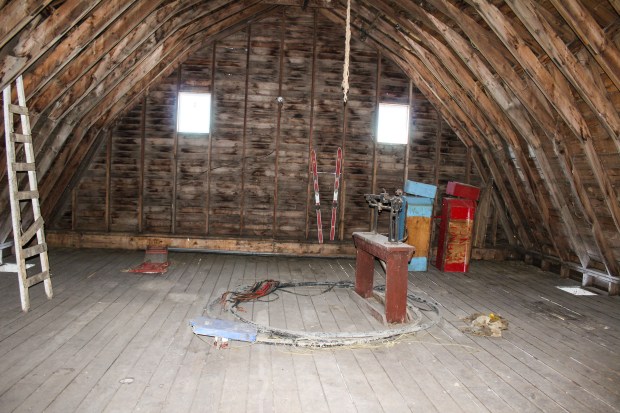
There are some old stanchions and floor boards up in the loft.

IMG_6109

This frame shows the western face of the barn.

IMG_6112

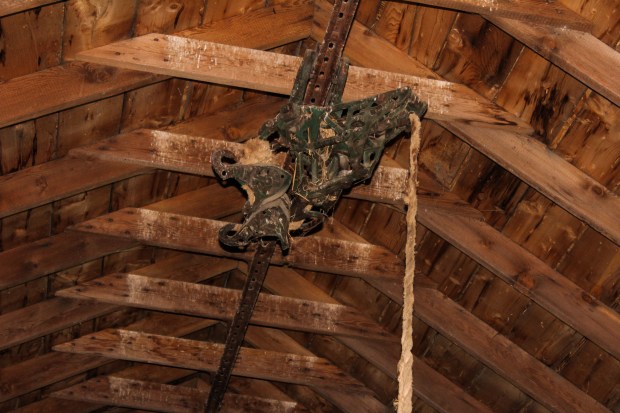
The barn still has the original hay carrier and hay track.

IMG_6114

There are a few pieces of old farm equipment in the loft.

IMG_6115

The roof shape is used because it maximized loft space before the invention of the arched roof. A gambrel roof is created when there are two slopes on each half of the roof and are usually supported by trusses.

IMG_6096

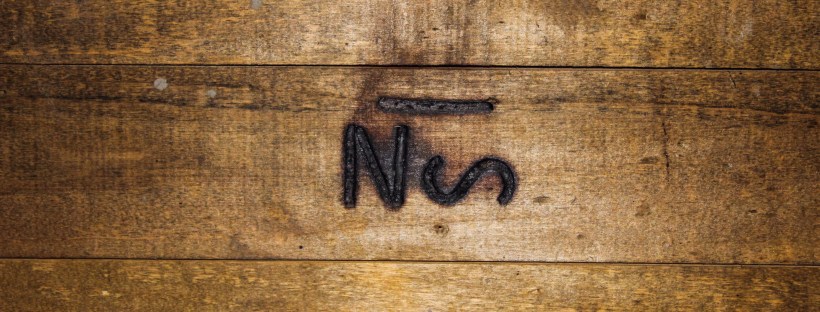
This is the Ness family brand.

IMG_6069

One of the many animals that uses or surrounds the barn.

IMG_6087

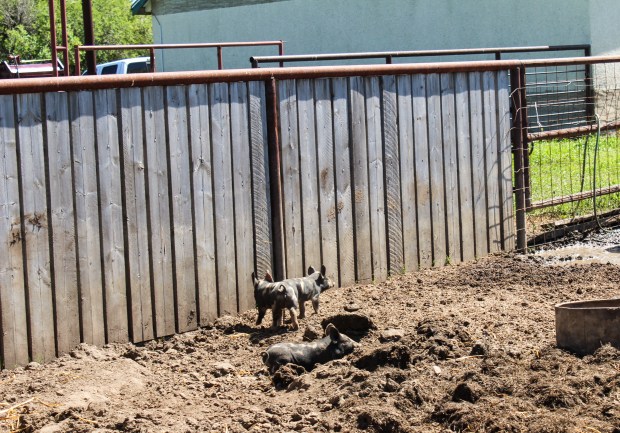
This frame shows the pig pen that exists on the southern side of the barn.

IMG_6086

Happy piglets.

Location

52.725935, -111.554700                                         NE 20-43-11 W4.

Characteristics

Barn Condition: Good

Construction Date: Before 1962

Features: Hay hood and hay carrier

Roof Shape: Gambrel

Paint: Red with white trim

Decorations: No names or dates

Roof Covering: Metal

Siding: Wooden shiplap

Foundation: Concrete

Additional Information on the Property


“The Sverre Ness Story”. Verdant Valleys: In and Around Lougheed. 1st ed. Lougheed:                                 Lougheed Women’s Institute, 1972. Print.

Forster

History

Fred and Elizabeth Forster rented the property that this barn sits from Marion Wilson (Hawley).  They began living here in the spring of 1941 and lived here until 1955 when they moved to the house-site on NW 31-41-13 W4 (click here for more information on that property). Keith Forster bought the quarter of land from his parents, Fred and Elizabeth, when Keith began farming. This barn is photographed quite regularly because it sits east of Highway 36 just after the correction line.

Stosky, Florence. Personal communication. 28. Jun. 2017

IMG_6326

Forster farm in 1957

IMG_6432

This frame is of the southern face of the barn.

IMG_6434

A close up of the south face of the barn shows the barn’s field stone foundation.

IMG_6441

This frame shows the main walkway inside the barn on the ground floor. Since the barn is built into the hillside, the northern aspect of the field stone foundation is visible in the depths of this frame.

IMG_6444

There is a wooden storage unit in the south-eastern corner of the barn on the ground floor.

IMG_6446

The loft’s floor has badly deteriorated and is not suitable for bearing weight anymore.

IMG_6450

Replacement siding and timbers lay on the dirt ground floor, never to be used.

IMG_6452

This frame shows the eastern wall of the barn. The logs which create the guard for the hay falling down through the hat chute.

IMG_6465

The main barn has a shed-roof addition.

IMG_6469

This frame is of the eastern half of the barn’s roof.

IMG_6470

The shed addition on the eastern side of the barn was used in the recent past as a granary.

IMG_6473

Up on top of the hill, this frame was taken of the northern face of the barn.

IMG_6477

This frame was taken while standing on the northern side of the barn looking south. It shows the inside of the barn’s loft.

IMG_6484

This frame is of the eastern side of the barn’s loft.

IMG_6488

This frame shows the stone wall present on the northern face of the barn. The barn has fallen off the foundation on the northern side.


IMG_6522

This frame was taken while standing on the western side of the barn looking towards the north-eastern corner of the barn on the ground floor.

IMG_6527

IMG_6523

The following photos are of the eastern set of stalls.

IMG_6536

 Location

52.665651, -111.826933                                         NW 33-42-13 W4.

Characteristics

Barn Condition: Poor

Construction Date: Unknown

Features: None

Roof Shape: Gambrel

Paint: Was red, only painted once

Decorations: No names or dates

Roof Covering: Wooden shingles

Siding: Wooden shiplap

Foundation: Concrete and field stone

Cramton-Rawe Ranches

History

Herb Style built this barn for Dave Cramton in 1962 with the help of Vernon Steil, George Niehaus, Gordon Pottle, Eddie Hawn, Dave Cramton, Eldon Cramton, and Jim Cramton. The construction of the new barn actually took place inside of the old barn. During construction, the original structure was dismantled while the new walls and roof were being built.

In Dave Cramton bought the land this barn sits on in 1947. In his time, the barn only housed milk cows for the family dairy. Dave was one of only three farmers licensed in the area at the time to sell cream to the nearby creamery in Strome, AB.

In 1972 Rawe Ranches Ltd. bought the property. John and Myrna Rawe have been living there ever since. They used the barn for cattle and hogs in the early years of their outfit. After 4 or 5 years, John and Myrna Rawe stopped raising hogs and worked only on their cattle operation. John and Myrna have been breeding purebred Charolais since 1973. They are one of the oldest breeders in the province!

For many years, the barn held calves in January and February after calving. Recently, the bulk of the Charolais operation moved to the SW 31-44-14 W4. John and Myrna’s daughter and son-in-law live there now and run the operation. So now it is very rare to see livestock inside the barn. Presently, the barn is used for storage.

Cramton, Jim . Personal communication. 4 Aug. 2016.

Rawe, John. Personal communication. 4 Aug. 2016.

IMG_6969

This frame is of the southern face of the barn and the milk room. The milk room is attached to the western side of the barn.

IMG_6975

This frame shows the western side of the barn’s roof and the milk room’s roof.

IMG_6989

This frame shows the western side and southern face of the barn.

IMG_7119

This frame is of the northern faces of the barn and the western half of the barn and milk room’s roofs.

IMG_7114

The northern face of the barn has a sliding door which allows provides access to the corrals in the northern half of the yard.

IMG_6990

This frame is of the southern face of the barn and the chop house. The eastern half of the barn’s roof and the chop house roof are also visible.

IMG_6994

This small outbuilding was used for storing chop for feed for the milk cows.

IMG_6983

This frame was taken while inside the milk room. It was in this room that fresh milk would be brought to be cleaned and stored until it was taken to the creamery in town (Strome, Alberta). The door in this frame allows passage between the main barn, where milking occurred, and the milk room.

IMG_6988

Inside the milk room, the original well, for the barn and the house, has been dismantled. All of the separating and condensing equipment has been removed.

IMG_7005

This frame was taken while standing in the doorway of the main door on the southern side of the barn. It is of the staircase to the loft and a portion of the western stalls.

IMG_7007

This frame is a continuation of the western set of stalls. The gate in this frame protects a walkway which runs into the milk room.

IMG_7012

This frame shows the door that allows access to the milk room

IMG_7021

There are walkways on either side of the main barn. The walkways run north-south and were used for dispersing feed to the cows that were being milked.

IMG_7044

This frame shows the main walkway that exists in the middle of the barn.

IMG_7056

The whole barn used to have metal stanchions just like the ones pictured in this frame. When the Rawes arrived they built wooden pens for their feeder pigs. After they stopped raising pigs, they used the pens for the newborn Charolais calves ever year.

IMG_7066

The central walkway has two depressions running along its margins. The cut outs were created with the intention of installing a system which would carry the manure away; however, this automatic belt system was never installed.

IMG_7047

This frame is a close up of the support posts for one of the barn’s main beams.

IMG_7079

This frame shows the North-South walkway on the eastern side of the barn.

IMG_7006

This frame is of a portion of the eastern stalls.

IMG_7089

This frame is of the staircase to the loft.

IMG_7092

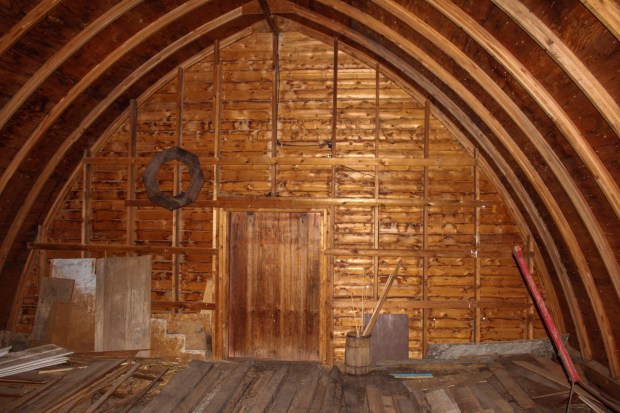
This frame shows the southern door taken from inside loft.

IMG_7093

This frame shows the south-eastern corner of the barn’s loft.

IMG_7094

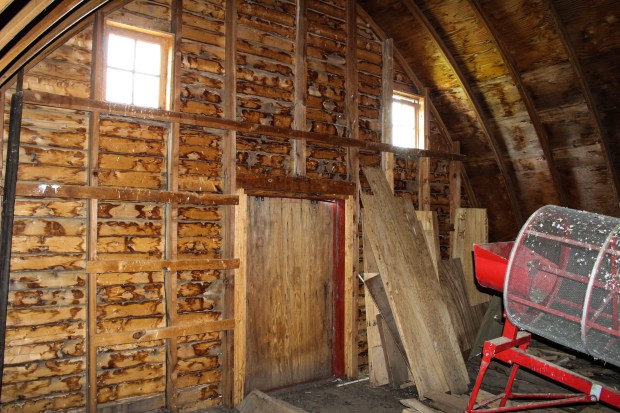
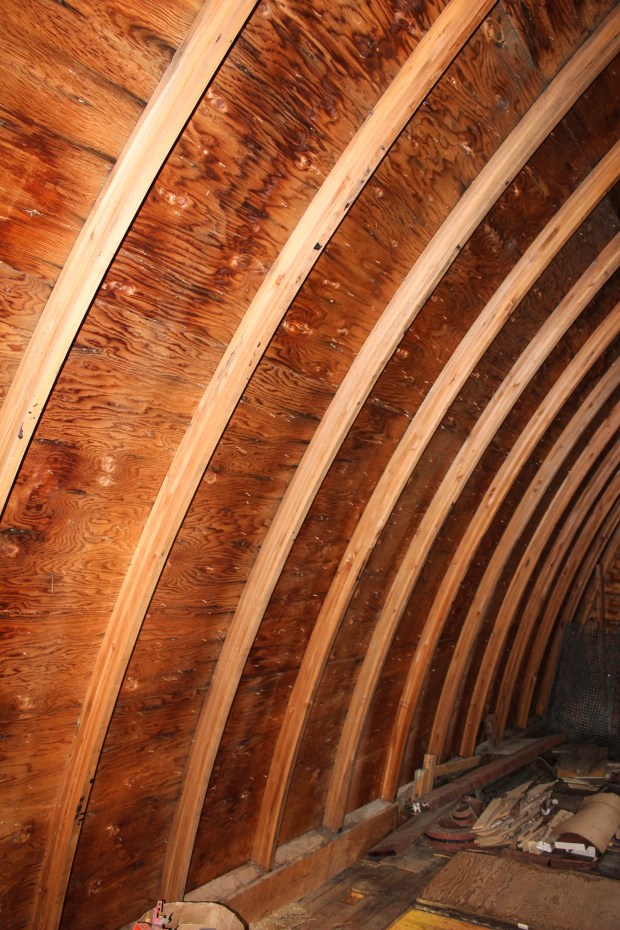
This frame is of the northern half of the barn. The arched rib roof inside the barn was created using glued laminated timbers. Unlike most other barns, the arched rib runs all the way to the ground floor and sits on the barns’ foundation.

IMG_7109

The platform pictured was used for bringing bales into the loft. One end of the bale elevator would be set on top of the platform so that square bales could be brought further into the barn’s loft.

IMG_7104

This frame shows one of the many doors in the loft floor. They were used for throwing hay down to the ground floor.

Location

52.816406, -112.023040                       SE 30-44-14 W4.

Characteristics

Barn Condition: Good

Construction Date: 1962

Features: Hay hood

Roof Shape: Arched

Paint: Red with white trim

Decorations: No names or dates

Roof Covering: Metal

Siding: Metal

Foundation: Concrete

Forster

History

In the spring of 1932 Ed and Edith Forster bought the property that this barn sits on. They farmed from there until the spring of 1955 when Fred, Ed and Edith’s son, and Elizabeth Forster (nee Hampshire) moved here from Hawley-Forster property. Both couples farmed with mixed livestock operations, keeping horses, beef cattle, milk cows, and pigs inside the barn. The livestock operation ended in about 1982 when Fred and Elizabeth retired. However, like most life-long-farmers, he simply could not stay away from the action. Fred helped out on the farm for 10 years after that. The 1992 harvest would be his last due to his passing in July 1997. Also at that same time, the farming operation and the house-site were taken over by Keith Forster, Fred and Elizabeth’s son. Fred and Elizabeth lived with Keith until their deaths.

Florence Stosky does not remember her dad, Fred Forster, ever having pigs in the barn. They always had their own pen down passed the granaries in the yard. The family did not keep the work horses for very long after they moved to this property. This was because one of the horses on the team kept tipping the hay rack. The first winter the Forster family lived on the property, Florence was helping her dad and the team did it again. Florence was on the hay rack and had to be dug out from under the hay after the incident. After that, Fred said that the horses had better be sold.

The southern half of the barn was used as a granary and the northern half stored some grain that was milled for feed for the animals. In the loft of the barn there is a big rope and in the summertime Florence and her sibling used to swing on that rope. Florence spent quite a bit of time in the barn because, during seeding and harvesting, she had milk the cows. At the time, the family had four milk cows to milk. Florence remembers that one cow would give up to three pails of milk after she had her calf and then the quantity slowly went down to one pail.

Stosky, Florence. Personal communication. 28. Jun. 2017.

img_6314.jpg

IMG_6304

IMG_6310

Forster farm in 1992

IMG_6334

This frame shows the western face of the barn.

IMG_6379

The barn has an addition with a shed roof on the southern side.

IMG_6382

The next frames show the inside of the addition.

IMG_6390

IMG_6393

The barn has a foundation of concrete and field stone.

IMG_6330

This frame is of the western face of the barn and the northern half of the barn’s roof.


IMG_6340

This door, on the northern half of the barn, gives access to the feed storage room.

IMG_6419

This frame is of the eastern face of the barn and the northern half of the barn’s roof.

IMG_6420

This frame is of the eastern face of the barn.

IMG_6424

The eastern half of the southern addition is in very poor shape.

IMG_6425

IMG_6376

This frame shows the view of the stalls inside of the barn. It was taken from the western half of the barn looking east.

IMG_6378

This frame shows a portion of the southern stalls.

IMG_6361

The staircase to the loft is positioned on the southern side in the middle of the barn.

IMG_6397

This frame is of the western face of the barn taken while inside the barn’s loft.

IMG_6400

IMG_6410

This frame is of the eastern face of the barn’s loft.

IMG_6343

This frame was taken from the northern door looking south into the grain storage room.

IMG_6345

Along the western wall, there are many grain storage bins.

IMG_6351

Location

52.667319, -111.868774                                         NW 31-42-13 W4.

Characteristics

Barn Condition: Fair

Construction Date: 1911 or 1912

Features: Hay hood and hay carrier, lightning rods

Roof Shape: Gambrel

Paint: Red with white trim

Decorations: No names or dates

Roof Covering: Metal

Siding: Wooden shiplap

Foundation: Concrete and field stone

Additional History on the Property

Forester, Fred. “Fred and Elizabeth Forster Family”. The Pleasant Country: Volume One Killam and District 1903-1993. 1st ed. Killam: Killam Historical Society, 1993. Print.

Lewis

History

Jake Lewis first started homesteading this land on December 5, 1905. He had ten children: Charlie, Dorothy, Orville, Mamie, Cecil, Raymond, Daniel, Bill, Donald, and Shirley. The basement for the barn was dug by Jake and his family in the early 1910s. The barn on this property was first built using whole timbers. It had no arched roof and instead the family stored loose hay on the flat roof, in the open air. The roof area was fenced off so that the horses would not eat the feed when they weren’t supposed to. However, one night, a horse managed to get over the fence and walked onto the feed platform. In the morning, Jake Lewis opened the barn door on the south side of the barn. To his surprise, he saw the horse staring him in the face. The horse had fallen through the rotten logs on the roof and landed inside the barn on the ground floor. Luckily, the horse was not injured.

Over time, the whole timbers making up the walls and roof rotted. In 1944/1945, the Lewis family and their neighbours mixed cement, built forms, and assembled rocks for the current foundation. Daniel Lewis, Jack’s son, remembers dropping field stones into the forms for the wall. In the past, this method was often used to reduce the amount of cement needed to build a barn. In 1949, the family updated the roof from a flat roof to an arched roof with the help of Merl Carmackel. An arched roof meant that bales could be stored in the loft out of the rain. Since the barn is a bank barn, the bales would have been brought through the northern door on the top of the hill.

Jake Lewis used the barn for his horses, which he was very fond of, beef cattle, and milking cows. He stopped keeping livestock in the early 1970s and passed away in the late 1970s. Mamie Lewis had the property for the time after that. Since Mamie passed away in 1954, the property and the barn have belonged to Mary-Ann Lewis.

Lewis, Daniel. Personal communication. 2 Aug. 2016.

IMG_6056

This frame shows the western face of the barn and the northern half of the barn’s roof.

IMG_6059

This frame shows the northern half of the barn’s roof. The barn has a dormer on its roof that meets up with the Earth’s surface.

IMG_5996

The doors inside the dormer would have allowed easy access to the barn’s loft. Usually, bales and hay would have passed through these doors.

IMG_5998

This frame shows the eastern face of the barn and the northern half of the barn’s roof. The eastern face has an extra hole cut into it, below the northern window. This opening would have been used to auger chop up into the barn’s loft for storage.

IMG_6002

This barn has a hay hood but no hay track.

IMG_6003

This frame is of the southern half of the barn’s roof. The fences used to be for pheasants.

IMG_6045

The eastern door (the one on the right portion of the frame) gives access to the main parts of the barn. The western door (the one on the left portion of this frame) opens up into an small enclosed area that used to house chickens.

IMG_6054

This frame shows the western face and southern side of the barn.

IMG_6007

This frame was taken just inside the eastern door on the south side of the barn while looking north.

IMG_6010

This stall is the largest one present in the barn. The enclosed area to the south (left portion of the frame) is the old chicken coop.

IMG_6011

The large pen also still has the original manger.

IMG_6043

This frame shows the stairway to the loft from inside the barn and the south-east corner of the barn,

IMG_6026

This frame shows the top of the stairway into the loft in the south-eastern corner of the barn.

IMG_6021

This frame is of the eastern face of the barn.

IMG_6018

In the loft of the barn in the north-eastern corner is a chop box.

img_6037.jpg

This frame shows the inside of the dormer door on the northern side of the barn.

IMG_6024

This frame shows how some of the earliest arched roofs were created.

Location

52.637391, -111.801434                                           NW 22-42-13 W4.

Characteristics

Barn Condition: Good

Construction Date: Over the years of 1910s – 1949

Features: Hay hood, dormer

Roof Shape: Arched

Paint: Grey

Decorations: No names or dates

Roof Covering: Metal

Siding: Wooden shiplap and plywood

Foundation: Concrete

Additional History on the Property

“Jake Lewis”. As the Wheel Turns: A History of Merna and District. 1st ed. Sedgewick:                         The Community Press, 1971. Print.


The first Jake Lewis house was built on the same property as the barn and stood there for many years. The original house was added onto many times in order to accommodate the growing family. Daniel Lewis, who orally recounted his family’s history for this database, is pictured in the second photo from “As the Wheel Turns: A History of Merna and District.”

Chevraux, Sharleen M.”Chapter 2: Before the Settlers: 1754-1885″. The Ten Dollar Bets.                      1st ed. Winnipeg: Inter-Collegiate Press, 1967. Print.


Jake was very found of his horses. He is pictured here with his neighbour, Jack Young. You can learn more about the Youngs under the name “Berg” in the Barn Database.

Young 3

Chevraux, Sharleen M.”Chapter 4″. The Ten Dollar Bets. 1st ed. Winnipeg: Inter-                             Collegiate Press, 1967. Print.
 

J.A. Lewis is shown on the NW 22-42-13 W4. This homestead map shows many original settlers in the surrounding area. Some of their barns still stand and some of those are featured in this database.

Homestead Map - Merna - As the Wheel Turns.jpg

“Homestead Map.” As the Wheel Turns: A History of Merna and District. 1st ed.                               Sedgewick: The Community Press, 1971. Print.

Comley/Routledge-Harder

History

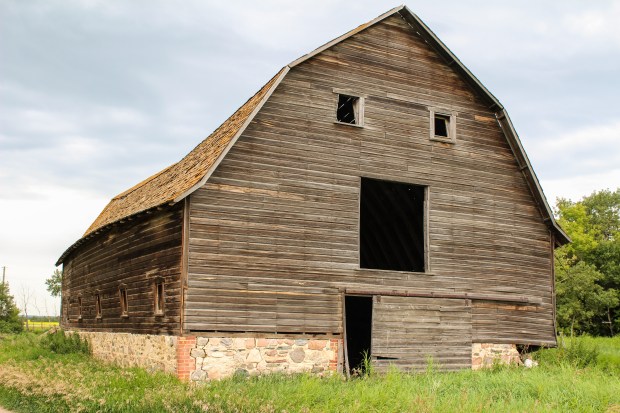
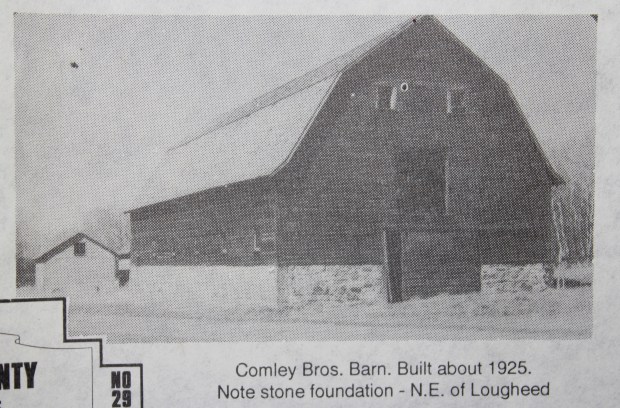
Not much is known about the use of this barn but it is known that the property was homesteaded by the Comley family. Mr. and Mrs. William Comley arrived in Sedgewick, Alberta in June of 1910 and purchased the property the barn sits on from the Canadian Pacific Rail and Land Company. They built the barn and the house that still stand on the quarter. William was an accomplished stonemason and so he built the barn’s foundation. William and his younger brother, Frank, were known for having worked in Edmonton in the summer of 1911 on the Flatiron Building at 95th Street and Jasper Avenue. As well, William’s son, Gilbert, boasted that, as a carpenter, he hung the door and window sashes on Edmonton’s first brewery at 121 Street and and 102 Avenue.

The property was purchased by Cathy Harder in the early 2010s. Even upon purchase, the barn was in a state of disrepair; however, it is still well known in the area. The barn is frame construction with platform framing.

Routledge, John and Peggy. Personal communication. 20 Jul. 2016.

IMG_5869

This frame is of the western face of the barn and the northern half of the barn’s roof.

IMG_5876

This frame shows the western face and southern half of the barn’s roof. The stone foundation and wall on the south-western side of the barn has crumbled away.

IMG_5864
This frame shows the masonry work on the western face of the barn.
IMG_5863

This frame is a close-up of the south-western corner of the barn.

IMG_5883

This frame shows part of the southern side of the barn. The barn is leaning to the east quite a bit.

IMG_5820

This frame shows part of the southern side and eastern face of the barn.

IMG_5828

The mortar and stone wall has developed many cracks over the years and has completely fallen apart in places.

IMG_5832

Even while the building decays, the barn’s beauty and the quality of craftsmanship is undeniable.

IMG_5821

This frame shows the eastern face of the barn.

IMG_5824

This frame shows the eastern face of the barn and the northern half of the barn’s roof. The northern half of the barn is in a state of disrepair. Soon, the lack of support on the northern side will cause the barn to collapse.

IMG_5837

The inside of the barn is very unsafe. The barn’s loft broke its support posts when the northern wall gave out. As a result, what appears to be artistry and architectural genius from the outside, seems dubious and decayed from within.

_MG_6038

This barn was featured on a paper handout promoting heritage preservation. It was prepared by the Historic Sites Committee of the County of Flagstaff.

Location

52.878621, -111.429285                                           SW 17-45-10 W4.

Characteristics

Barn Condition: Poor

Construction Date: Unknown

Features: None

Roof Shape: Gambrel

Paint: None

Decorations: None

Roof Covering: Wooden shingles

Siding: Wooden shiplap

Foundation: Mortar and field stone/brick

Additional Information on the Property

Comley Mullen, Morraine. “The Comley Story”. Metropolitan Memories. 1st ed.                              Sedgewick: The Community Press, 1979. Print.


Snethun

History

This barn was built in 1934 by Joe Rees when the Elliot Weir family still lived on the property. In 1959 Peter Snethun bought the property and he lived there with Katherine, his wife, until his death. Katherine Snethun still lives on the property. The Snethuns used the barn for both milk cows and beef cattle. They milked cows in the barn up until the early 1960s. They ceased raising beef cattle in the barn and kept their cattle out in their southern pasture. After the livestock were gone, the Snethuns used the barn for equipment, feed, and storage. The barn is still used for storage today.

Snethun, Katherine. Personal communication. 25 Jul. 2016.

IMG_6138

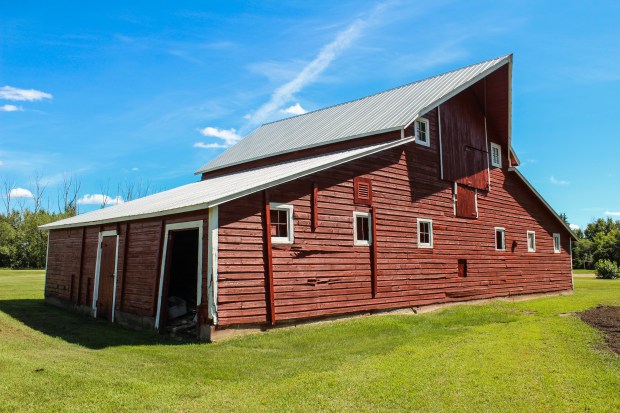
This frame shows the southern half of the barn’s roof and the western face of the barn. The sliding door on the southern face provides entry into the southern shed.

IMG_6142

The western face of the barn and the northern half of the roof are visible in this frame. The western face has two doors that would have been used to throw feed out of the loft to the ground below.

IMG_6139

Katherine Snethun had the barn painted a few years ago and it still looks fresh.

IMG_6144

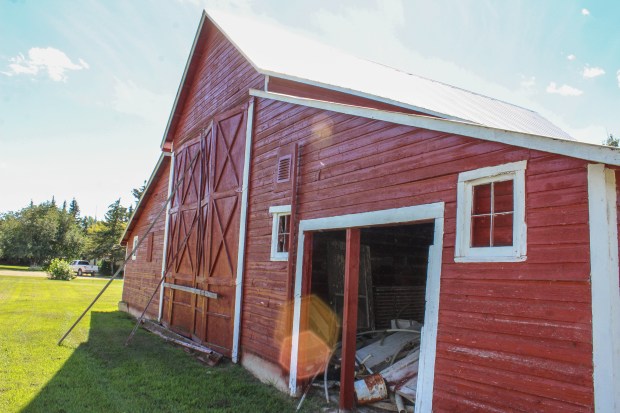
This frame is of the eastern face of the barn. Many of the barn’s windows were boarded up after the glass panes broke.

IMG_6148

The eastern face of the barn has two large doors which are akin to train roundhouse doors. When the doors are opened, both the barn’s loft and main level are veiwable.

IMG_6145

The Snethuns used to store their combine inside the barn. To do that they needed to cut out a portion of the barn’s loft floor so that the area inside would be completely open.

IMG_6133

This frame shows the southern half of the barn’s roof.

IMG_6150

The foundation on the south side is starting to crumble.

IMG_6143

The sheds on either side of the main barn used to hold feed and livestock.

IMG_6153

Inside the main part of the barn, one can see where the loft used to start. Now, it is supported by two timbers. Without the loft, there was enough space to park a combine.

IMG_6155

The monitor roof is created by joining two lower shed roofs onto a short gamble roof.

IMG_6154

The main portion of the monitor was made by creating a gable with two timbers and then supporting the timbers with a horizontal beam.

IMG_6157

This frame shows the backside of the eastern door.

Location

52.730763, -111.575086                                           SW 29-43-11 W4.

Characteristics

Barn Condition: Good

Construction Date: 1934

Features: Hay hood

Roof Shape: Monitor

Paint: Red with white trim

Decorations: No names or dates

Roof Covering: Metal

Siding: Wooden shiplap

Foundation: Concrete

Additional History on the Property

Snethun, Donna. “Snethun Family History”. Verdant Valleys In and Around                                           Lougheed. 1st ed. Lougheed: Lougheed Women’s Institute, 1972. Print.


Routledge

History

Jack and Arthur Routledge both lived on this property for a short time. Both men filed blind, meaning that they filed for their land without seeing it. Arthur received NW 32-44-10 W4 while Jack received SW 32-44-10 W4. Jack’s quarter was not suitable for farming and so he had to walk all the way to Wetaskiwin to refile. Few homesteaders at the time needed to travel back to Wetaskiwin and so Jack had to walk. He walked all the way to Wetaskiwin carrying a ploughshare (a plough blade) which was not the right size for his plough. Luckily, he was able to get a ride back to Lougheed with new homesteaders going the same way. While in Wetaskiwin, Jack refiled for the quarter cater-corned to Arthur’s, the SE 06-45-10 W4. Click here to learn more about that property.

Meanwhile, Arthur’s family had a mixed farm operation. They crop farmed, raised shorthorn cattle, and milked cows. As such, they used the barn for draft horses, milk cows, and ill or birthing cattle. However, for the first few years that the Routledges were in the area they used oxen to pull the plow, not horses. Arthur had four children, Robert, Donald, Arthur Frank, and May. After Arthur died the farm got passed to Donald Routledge. When Don died in the late 1990s he left the property to his brother Arthur Frank Routledge. Upon Frank’s death in the early 2000s, the farm went to his three children: Douglas, Gordon, and Janice.

Recently, the three siblings decided to reshingle the barn. They mentioned that it helped renew their connection to their family’s homestead. Doug also remembers a family reunion that took place on the property over ten years ago. He has fond memories of how happy the family was to come together in a place with so much meaning to all of them.

Routledge, John and Peggy. Personal communication. 20 Jul. 2016.

Routledge, Doug. Personal communication. 22 Jul. 2016.


IMG_5692

This frame shows the eastern face of the barn and the northern half of the roof. The addition was built on to act as a cattle chute.

IMG_5693

This frame shows the eastern face of the barn and the northern half of the roof. The addition was built on to act as a cattle chute.

IMG_5688

This frame shows the northern half of the barn’s roof.

IMG_5694

The western face of the barn has two large loft doors which slide down to open.

IMG_5697

This frame shows the western face of the barn and the southern half of the barn’s roof.

IMG_5701

A close-up of the barn’s cupola.

IMG_5752

This frame shows the southern side of the addition to the barn, that was used as a cattle chute.

IMG_5753

Inside the barn’s addition.

IMG_5756

What used to be the exterior of the main barn is now somewhat protected from the elements by the addition.

IMG_5702

Inside the barn, this frame was taken from the north-western side looking east. This barn has three sets of stalls that run north-south (the same direction as the mangers).

IMG_5708

This frame shows a stall on the western-most half of the barn.

IMG_5709

This frame shows the middle section of stalls within the barn. In the background are the stalls on the eastern half of the barn.

IMG_5711

This frame shows the staircase to the loft, some of the eastern set of stalls, and a portion of the south-eastern door to outside.

IMG_5714

Half of the eastern stalls have stanchions for milking cows.

IMG_5724

This frame is of the south-eastern door, which is one of two doors on the southern half of the barn. The south-east door used to lead out into a grassed area.

IMG_5729

The stairs up to the loft have a slight spiral at the very top.

IMG_5732

This frame is of the eastern face of the barn.

IMG_5746

The loft of this barn is quite short. It is probably the smallest loft of all of the barns in this database in terms of headroom.

IMG_5730

The barn still has its original hay carrier.

IMG_5733

This frame shows portions of the barn’s rafters and the entirety of the barn’s western face.

IMG_5734

The nail barrel in this photo has been re-purposed to act as a counterweight for the loft’s two doors.

IMG_5744

The pulley system and the weight allow for the doors to be slid down to open and to be pulled up to close.

IMG_5740

The rafters create the roof’s gambrel shape.

IMG_5742

Location

52.841073, -111.427451                                          NE 32-44-10 W4.

Characteristics

Barn Condition: Good

Construction Date:

Features: Hay hood and hay track, one wooden cupola

Roof Shape: Gambrel

Paint: None, may have been brown

Decorations: No names or dates

Roof Covering: Asphalt shingles

Siding: Wooden shiplap

Foundation: Field stone

Additional History on the Property

Please click on the images and view them in an new tab to zoom in.

Routledge, D.J., Routledge, W.A. “The Routledge Brothers ‘Jack’ and Arthur”. Verdant               Valleys In and Around Lougheed. 1st ed. Lougheed: Lougheed Women’s Institute,             1972. Print.

For information on John (Jack) Routledge’s property please click here.

Routledge

History

Jack Routledge homesteaded this quarter. Jack and his brother, Arthur, moved to the area in 1905. Both men filed blind, meaning that they filed for their land without seeing it. Arthur received NW 32-44-10 W4 while Jack received SW 32-44-10 W4. Click here to learn more about Arthur’s property. Jack’s quarter was not suitable for farming and so he had to go back to Wetaskiwin to refile. Few homesteaders at the time needed to travel back to Wetaskiwin and so Jack had to walk. He walked all the way to Wetaskiwin carrying a ploughshare (a plough blade) which was not the right size for his plough. Luckily, he was able to get a ride back to Lougheed with new homesteaders going the same way. While in Wetaskiwin, Jack refiled for the quarter cater-corned to Arthur’s, the SE 06-45-10 W4, which is the property this barn sits on.

The barn on this property is one of the smallest barns in this database. John Routledge remembers that it was built by Mr. Gascoyne through the Sedgewick CO-OP lumber yard in the late 1960s. Gascoyne built the frame and the roof of the barn. To save money, the Routledges built the stalls and poured the cement. John Routledge’s father, William, used the barn for his mixed livestock farm. Up until about five years ago, John used the barn for his beef cattle. Now the barn stores square bales and lumber.

Routledge, John and Peggy. Personal communication. 20 Jul. 2016.

IMG_5769

This frame shows the southern face of the barn.

IMG_5767

The southern face of the barn and the western half of the roof are visible in this frame.

IMG_5816

The western half of the barn’s roof.

IMG_5815

A close up of the barn’s cupola. The single cupola has two vents. One vent is for the loft and the other vent is for the ground floor.

IMG_5777

This frame shows the northern face and eastern half of the barn.

IMG_5771

This frame shows the southern face of the barn and the eastern half of the barn’s roof.

IMG_5774

Close-up of the eastern half of the barn.

IMG_5780

The door in this frame is the door on the east side of the barn. The northern half of the barn is an open penned area.

IMG_5782

There is a door on the north face of the barn that enters into the northern penned area inside the barn.

IMG_5779

This frame shows the western half of the northern penned area.

IMG_5778

The well inside the barn used to be operational and very very helpful.

IMG_5801

This frame is of the staircase that goes up into the barn’s loft. It is located on the west side of the barn.

IMG_5783

The southern half of the barn is used for square bale storage.

IMG_5785

This frame shows the south-eastern corner of the barn.

IMG_5802

This frame is of the northern face of the barn inside the loft.

IMG_5813

This frame is of the southern face of the barn taken while inside the loft.

IMG_5808

The arched roof shape is created by the glued laminated timbers.


Location

52.846086, -111.431450                                           SE 06-45-10 W4.

Characteristics

Barn Condition: Good

Construction Date: Late 1960s

Features: One wooden cupola and three lightning rods

Roof Shape: Arched

Paint: Red with white trim

Decorations: No names or dates

Roof Covering: Asphalt shingles

Siding: Wooden shiplap

Foundation: Cement block

Additional History on the Property

Please click on the images and view them in a new tab to zoom in.

Routledge, D.J., Routledge, W.A. “The Routledge Brothers ‘Jack’ and Arthur”. Verdant                                 Valleys In and Around Lougheed. 1st ed. Lougheed: Lougheed Women’s                                 Institute, 1972. Print.
For information on Arthur Routledge’s property please click here.